




摘要提供范围:全球
Clique com o botão direito no código para copiar a imagem.
Nota: Em um portal em ASP, o link atrás do código é específico do portal!
Recommendation
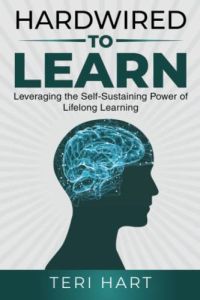
Through an adept synthesis of research – particularly in learning theory and neuroscience – 25-year learning expert and future of work strategist Teri Hart weaves history, economics, technology, psychology, medicine and sociology into a fascinating exploration of the role of mind and body in learning. Her expertly blended insights will convince you of the human mind’s remarkable ability to learn nearly anything at any age.
Summary
About the Author
Teri Hart, an Ironman triathlete and yogini, has built a career in learning leadership across several Fortune 500 and Global 500 firms.
Learners who read this summary also read
Related Skills

变得更加适应变化

推动人工智能转型,在各部门实施人工智能转型,协调与利益相关者的人工智能倡议,监督人工智能技术的整合,

人力资源

在日常任务中利用人工智能,将人工智能工具整合到工作流程中,使用人工智能自动化重复性任务,利用人工智能

个人成长

理解人工智能,向同事解释基本的人工智能概念,区分人工智能与传统软件解决方案,总结人工智能在现代工作场

职场技能

人工智能转型,实施基于人工智能的流程优化,跨部门整合人工智能解决方案,评估企业采用人工智能的准备情况

追求终身学习

使用人工智能进行人力资源规划,实施人工智能解决方案于人力资源规划,利用人工智能分析人力资源数据,使用

利用人工智能进行人力资源管理,将人工智能洞察融入人力资源战略,实施自动化人力资源数据分析系统,利用人

理解人工智能对工作的影响,评估人工智能对日常任务的影响,评估人工智能驱动的工作场所变化,识别人工智能

规划人工智能劳动力转型,设计人工智能劳动力过渡路线图,评估团队的人工智能准备情况,评估当前人工智能岗

利用人工智能进行学习与发展,将人工智能工具整合到培训项目中,通过人工智能洞察提升员工成长,利用人工智

培养成长型思维

利用人工智能进行学习和技能提升,寻找员工培训的人工智能工具,将人工智能融入学习计划,利用人工智能进行

成为自驱学习者

养成学习习惯

Comment on this summary