

Book
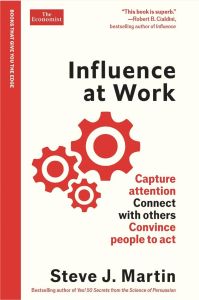
Influence at Work
Capture attention, connect with others, convince people to act



扫码即可阅读分享此浓缩书
Recommendation
In this compelling guide, Steve J. Martin unpacks the science of influence, offering proven strategies to capture attention, forge authentic connections, and motivate others to take meaningful actions. Drawing on decades of research and real-world examples, Martin reveals how small changes in your approach can lead to big results in work and life. Whether you want to win over colleagues, inspire your team, or strengthen personal relationships, Martin provides practical tools to help you ethically and effectively influence others.
Summary
About the Author
CEO of Influence at Work (UK) Steve J. Martin is a Royal Society-nominated author in the field of influence and persuasion science.








Comment on this summary