




Right-click on the code to copy the image.
Note: On an ASP portal, the link behind the code is portal specific!
Recommendation
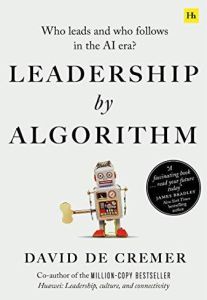
Academician David De Cremer offers a logical, structured and balanced discussion on the implications of bringing AI and algorithms into organizations. He devotes the first third of the book arguing that AI is a strong and imminent contender for CEO. He spends the rest of the book telling you why it won’t happen. His bottom line, however, echoes a growing consensus: Firms should combine the strengths of AI with human strengths. AI will automate many staff and management tasks, but remains eons away from replacing the vital and uniquely human traits of great leaders.
Summary
About the Author
Award-winning behavioralist Dr. David De Cremer is Provost Chair at the National University of Singapore business school, where he is also the founder and director of its Centre on AI Technology for Humankind. He previously taught at the Judge Business School, University of Cambridge.
Learners who read this summary also read
Related Skills

领导力

在日常任务中利用人工智能,将人工智能工具整合到工作流程中,使用人工智能自动化重复性任务,利用人工智能

管理

理解人工智能,向同事解释基本的人工智能概念,区分人工智能与传统软件解决方案,总结人工智能在现代工作场

职场技能

以德驾驭 AI

规划人工智能劳动力转型,设计人工智能劳动力过渡路线图,评估团队的人工智能准备情况,评估当前人工智能岗

为人工智能组织,建立以人工智能为中心的组织结构,设计人工智能整合的工作流程,实施人工智能项目的团队结

理解人工智能对工作的影响,评估人工智能对日常任务的影响,评估人工智能驱动的工作场所变化,识别人工智能

推动人工智能转型,在各部门实施人工智能转型,协调与利益相关者的人工智能倡议,监督人工智能技术的整合,

人工智能转型,实施基于人工智能的流程优化,跨部门整合人工智能解决方案,评估企业采用人工智能的准备情况

推动团队的人工智能采纳,鼓励团队对人工智能工具的认同,解决团队对人工智能实施的担忧,培训团队掌握新的

引导团队顺利过渡到人工智能,促进团队适应人工智能工具,准备员工迎接人工智能驱动的角色,管理对人工智能

利用人工智能进行管理,将人工智能工具整合到管理流程中,使用人工智能分析管理数据,利用人工智能增强团队

利用人工智能提升领导力,将人工智能洞察融入领导决策,使用人工智能工具增强领导战略,通过人工智能分析推

作为领导者,伦理地使用人工智能,驾驭人工智能领导中的伦理挑战,确保伦理的人工智能部署决策,优先考虑人

Comment on this summary