




扫码即可阅读分享此浓缩书
Recommendation
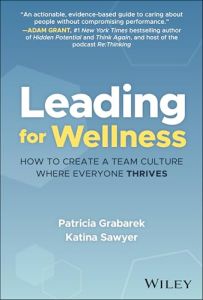
Workplace wellness advocates Patricia Grabarek and Katina Sawyer encourage leaders to prevent employee stress and burnout by becoming “Generators” who help workers feel energized and productive. Generators set a positive example for work-life balance, communicate honestly with employees, provide flexible work environments that support individual needs, and protect their teams from overwork. At the end of every chapter, the authors offer worksheets that allow leaders to reflect and encourage them to take action that supports wellness.
Summary
About the Authors
Patricia Grabarek and Katina Sawyer are the co-founders of Workr Beeing and industrial-organizational psychologists.
Learners who read this summary also read
Related Skills

领导力

培养团队文化,创建强大的团队认同感,鼓励开放的团队讨论,促进共同的团队价值观,有效地认可团队成就,平

提升情商

推动团队绩效,创建团队有效性的框架,评估提升团队产出的策略,通过明确的指导增强团队协作,解决团队生产

提升员工体验

培养创新文化

人力资源

创新

以德领导

领导自我

精通人际关系技巧

个人成长

促进多样性、公平与包容

软技能

学会感恩

促进神经多样性包容

改善心理健康

激励团队

建立心理安全感

实践变革型领导,通过个人榜样激励团队,调整领导风格以产生影响,鼓励团队的创新思维,支持团队成员的发展

展现同理心与关怀

建立和维护福祉

实践服务型领导

培养积极心态

健康生活

勇于脆弱

设定边界

保障员工福祉

保持工作与生活平衡

Comment on this summary