跳过导航
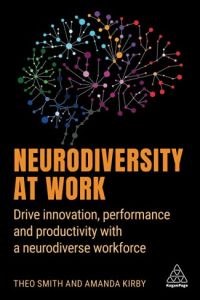
Neurodiversity at Work
Book

Neurodiversity at Work

Drive Innovation, Performance and Productivity with a Neurodiverse Workforce

Kogan Page, 2021 更多详情

Buy the book


Editorial Rating

9

getAbstract Rating

  • Applicable
  • Eye Opening
  • Hot Topic

Recommendation

Firms that recruit, accommodate and include neurodiverse workers reap the advantages of divergent thinking, often experiencing boosts in creativity and innovation. Here, neurodiversity advocate Theo Smith and entrepreneur Amanda Kirby describe this less understood aspect of diversity, equity and inclusion (DEI), one that affects people who think and work differently from mainstream employees. Individuals with ADHD, autism, dyslexia and other conditions face tremendous barriers to employment and success at work. The authors’ astute recommendations and compassionate understanding will enhance any discussion of workplace DEI.

Summary

Neurodiversity acknowledges the uniqueness of every human being and the special needs of some.

The human brain consists of about 100 billion brain cells and myriad connections among them. No two people share identical wiring, so in a way, we are all “neurodiverse.” But in the context of organizational diversity, equity and inclusion (DEI), neurodiverse workers include all those whose ways of thinking and performing tasks differ significantly from the mainstream, including those with attention deficit hyperactivity disorder (ADHD), dyslexia, Asperger’s syndrome and autism. An estimated 20–30% of people are neurodiverse, yet many barriers exist to measuring the exact numbers.

Diverse perspectives provide value across culture and society, such as in music, art and science. This diversity matters as much to the success of the human race as biodiversity does to an ecosystem. What applies to society at a macro level applies to organizations at a micro level. Firms and leaders should explore and appreciate the value that people of varying cognitive abilities can bring.

Beyond complying with equity and equality laws, when ...

About the Authors

Theo Smith is a leading advocate for neurodiversity and vice president of customer acquisition for Zinc Work. Amanda Kirby is the founder and CEO of Do-IT Solutions, specializing in neurodiversity screening tools.



Comment on this summary

  • Avatar
  • Avatar
    F. H. 3 years ago
    Good
  • Avatar
    J. P. 4 years ago
    It says in the Take-aways to "Beware labeling people or classifying them into categories, including during hiring." But then creating a category called nerodiverse is doing exactly what it says not to do. Am I missing something here?

More on this topic

Related Skills

推进职业发展
AI Transformation
吸引和招聘人才
发挥创意
提升情商
建立和维护福祉
职业发展
Develop Team Members
Drive Team Performance
培养创新文化
Foster Team Culture
提高文化意识
创新
以德领导
Leverage AI for HR
Leverage AI for Leadership
管理变革
管理绩效
管理售后关系
管理团队和部门
精通协作
精通人际关系技巧
Navigate Leadership Challenges
优化劳动力绩效
个人成长
销售
求职
软技能
职场技能
展现同理心与关怀
变革中领导
管理
理解歧视
理解系统性不平等
面试成功技巧
Work Remotely
发展自我意识
健康老龄化
评估候选人
领导远程或混合团队
Practice Transformational Leadership
换位思考
领导力
进行绩效评估
领导自我
保障员工福祉
Use AI for Talent Sourcing
建立包容性文化
人力资源
建立心理安全感
提供灵活工作安排
Use AI for Coaching and Development
促进代际包容
Leverage AI for Management
拥抱发散性思维
提升员工体验
促进性别包容
管理员工关系
利用员工资源小组
支持员工心理健康
实践服务型领导
进行候选人面试
用户入职管理
Use AI for Candidate Screening
包容性领导
倡导多样性
Guide Teams Through AI Transition
促进多样性、公平与包容
成为少数群体团队成员盟友
制定招聘策略
促进 LGBTQ+ 包容
Manage People and Talent
在新职场取得成功
促进社会经济包容
促进族裔包容
促进残障包容
迎新培训
招聘多元化人才
促进神经多样性包容