跳过导航
Sun Tzu for Execution
Book

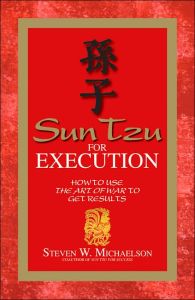
Sun Tzu for Execution

How to Use the Art of War to Get Results

Adams Media, 2007 更多详情

Buy the book


Editorial Rating

7

getAbstract Rating

  • Applicable

Recommendation

Steven W. Michaelson has written an interesting but somewhat odd book. Its first section consists of a translation of Sun Tzu’s classic Chinese text on military strategy, The Art of War. The second section, which takes up most of the volume, focuses on how to apply Sun Tzu’s ideas to business. Nearly all the chapters open with a quotation from Sun Tzu, but Michaelson also refers to other military and business leaders. You could benefit from his comments on how to implement your business strategy without ever referring to the translation. That said, the principles Michaelson extracts are sound, and he shares with Sun Tzu the ability to provide clear, broad concepts to guide business strategists in a variety of situations. getAbstract recommends this book to executives who want to improve their ability to think strategically and who find it useful to boil down the process of strategizing to a few fundamental rules.

Summary

Applying The Art of War to Business

While Sun Tzu is famous as a military strategist, his skill at executing strategies is what makes him really important. Even the best strategy is worthless if you don’t act upon it. Sun Tzu had five core principles that guided his success at execution: “simplicity,” “create alignment,” “people always,” “flexibility” and “towering strengths.”

“Simplicity”

Most “great business successes” arise from simple, well-executed ideas. Take Dell, for example: It makes computers to order. Or Southwest Airlines: It provides cheap flights. With their one-track minds, these small companies defeated larger competitors. Thus, stay focused, keep costs low, and make sure all employees understand and act upon your one or two great ideas.

Just as great generals must time their attacks perfectly to have the greatest impact, so you must time your business moves. When your competition makes a mistake or is otherwise weak, attack. If you gain the upper hand, exploit it right away. “You can only do a few things well.” Make sure you know what they are, and do the things you do best, first.

In interactions with both employees and customers...

About the Author

Steven W. Michaelson is president of an online retailing company and is the co-author of several books about applying Sun Tzu’s military principles to business.



Comment on this summary

More on this topic

Related Skills

发挥创意
建立自信
职业发展
有效沟通
转化潜在客户
制定商业计划
Develop Team Members
发展组织
数字化转型
推动数字营销
Enable Digital Organization
Enhance Cybersecurity
Execute Digital Operations
生成和筛选潜在客户
人力资源
以德领导
引领运营规划
健康生活
管理变革
管理企业沟通
Manage Learning and Development
管理团队和部门
管理
市场营销
精通 B2B 销售
精通人际关系技巧
精通营销策略
Navigate Leadership Challenges
个人成长
制定销售计划和战略
制定战略规划
促进多样性、公平与包容
销售
求职
软技能
理解组织运作
职场技能
开发创新产品
领导自我
鼓励实验精神
战略性创新
管理员工关系
定义使命、愿景与目标
建立客户关系
促进协作
包容性领导
战略性领导
利用双元性管理
成就创业梦想
Build Security Culture
促进小组创意
留住员工
传达企业使命
管理领导影响力
Foster Team Culture
传达公司战略
应用精益创业
Strengthen Team Collaboration
建立包容性文化
打造个人品牌
谦逊为人
Build Digital Culture
实践服务型领导
Practice Transformational Leadership
创新商业模式
精通协作
初创公司案例研究
高管领导力
创新
管理销售团队
保障员工福祉
培养灵活性
激励团队
指导员工
确保业务连续性
领导力
理解动机
培养创新文化
Manage People and Talent
培养团队成员
拥抱变革
培养他人责任感
保持真实
变革中领导
建立共同愿景
建立初创公司
定义核心价值观
影响他人
传递价值
推动员工参与度
实施敏捷管理
勇于脆弱
应对不确定性
推动学习文化
有效说服
激发需求
变得更加适应变化
利用员工资源小组
发挥自身优势
寻找意义
精通内容营销
Drive Team Performance
培养成长型思维
创业
营造归属感
建立团队凝聚力
赢得他人信任
精通品牌建设
提升员工体验
提升客户导向
塑造组织文化
将战略转化为行动
制定企业传播内容
建立心理安全感
精通市场定位
战略沟通
讲述引人入胜的故事