跳过导航
The 4 Stages of Psychological Safety
Book

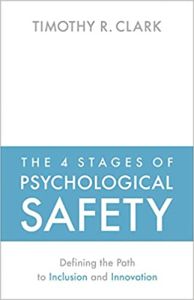
The 4 Stages of Psychological Safety

Defining the Path to Inclusion and Innovation

Berrett-Koehler, 2020 更多详情

Buy the book

Editorial Rating

9

getAbstract Rating

  • Analytical
  • Innovative
  • Engaging

Recommendation

Research reveals that money can’t compensate for a lack of psychological safety in the workplace – that is, a sense of belonging, and freedom to speak up, learn, and contribute. Your organization gains a competitive advantage when your employees feel comfortable enough to create and innovate. Leadership consultant Timothy Clark outlines four stages through which your company must progress to become inclusive and visionary – inspiring your employees to do their best work.

Summary

Psychological safety enhances team performance and your organization’s ability to remain competitive. It can be achieved in four stages.

To stay relevant in today’s economy, companies need to maintain their competitive advantage. Organizational leaders must promote a forward-thinking culture, one that inspires collaboration and innovation. They must learn how to remove the psychological barriers that inhibit their teams’ performance. Companies must create an environment where workers feel safe to take initiative and create solutions.

Effective leaders understand they must encourage connection and collaboration to spur innovation. Team members must feel respected and have permission to think and grow. Innovation relies on intellectual friction – which occurs when team members can question the status quo, scrutinize existing systems, and develop new, more efficient processes. At the same time, social friction that inhibits collaborative efforts or breeds fear of retribution must be minimized.

Humans require food and shelter to live healthy lives; beyond these basic needs, however, people have a drive to fulfill their psychological...

About the Author

Timothy R. Clark is the founder and CEO of LeaderFactor, a global leadership consulting, training and assessment organization. He is the author of five books and the developer of the EQometer™ emotional intelligence assessment.



Comment on this summary

More on this topic

Related Skills

推进职业发展
提升情商
变得更加适应变化
建立和维护福祉
职业发展
有效沟通
发展组织
数字化转型
Enable Digital Organization
Enhance Cybersecurity
创业
Foster Team Culture
人力资源
提高文化意识
以德领导
健康生活
管理变革
Manage Learning and Development
管理
精通协作
精通人际关系技巧
Navigate Leadership Challenges
个人成长
软技能
可持续
理解创新
职场技能
管理领导影响力
促进开放沟通
改善心理健康
培养好奇心
领导自我
Drive Team Performance
领导力
展现同理心与关怀
Develop Team Members
促进小组创意
理解系统性不平等
利用社交学习
发挥创意
理解创造力
包容性领导
培养团队成员
培养成长型思维
促进代际包容
管理产品创新
组织创新
生成创意
促进容错文化
Practice Transformational Leadership
推动可持续创新
理解无意识偏见
培养积极心态
促进 LGBTQ+ 包容
谦逊为人
创造性协作
Manage People and Talent
促进多样性、公平与包容
促进性别包容
倡导多样性
养成学习习惯
Build Digital Culture
促进残障包容
变革中领导
应对微侵犯
理解微侵犯
以非权威之力推动变革
实践服务型领导
Strengthen Team Collaboration
促进神经多样性包容
战略性创新
塑造组织文化
Build Security Culture
克服孤独感
提出问题
营造归属感
开发创新产品
促进族裔包容
包容性沟通
促进社会经济包容
培养创新文化
应用开放创新
创新
从事企业内部创业
成为自驱学习者
利用双元性管理
拥抱发散性思维
勇于脆弱
培养他人责任感
成为少数群体团队成员盟友
建立心理安全感
推动创造力
挑战假设
鼓励实验精神
倡导新创意
建立包容性文化
推动学习文化