

跳过导航
The Digital Multinational
Book

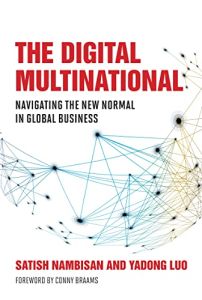
The Digital Multinational

Navigating the New Normal in Global Business (Management on the Cutting Edge)

MIT Press, 2022 更多详情

Buy the book


Editorial Rating

8

getAbstract Rating

  • Analytical
  • Well Structured
  • Background

Recommendation

The number of multinational enterprises (MNEs) has exploded exponentially in recent years, as digitization enabled enterprises to build their capabilities and expand across borders. But according to management professors Satish Nambisan and Yadong Luo, before penetrating foreign markets, MNEs must consider potential complexities and adjust their strategies accordingly. Whether you’re operating an Alibaba storefront or a giant MNE, Nambisan and Luo stress the importance of analyzing and adapting to everything from digitally-powered recombinant innovation strategies to restrictive local regulations.

Summary

Digitization fuels the unprecedented growth of multinational enterprises (MNEs).

Digitization has dramatically altered global market contexts: Between 2000 and 2010, for example, the number of multinational enterprises (MNEs) nearly tripled. Today, MNEs comprise half of all global exports, one-third of the global GDP and roughly 25% of employment, worldwide. This accelerated growth results from developments in digital technologies such as artificial intelligence (AI), mobile computing and the Internet of Things (IoT). This technology grants companies the power to innovate and create value across geographic borders via new pathways connecting markets and businesses. Many product-based businesses leverage digital technologies, infrastructures and platforms to expand faster with more ease and affordability.

Business leaders must consider barriers to globalization – such as geopolitical nationalism and localization – and adapt their strategies accordingly. Uber failed to do this in Asia, for example; it penetrated this market rapidly via network effects without adequately adapting its strategy to geopolitical ...

About the Authors

Professor of technology management at Case Western Reserve University’s Weatherhead School of Management Satish Nambisan also authored The Global Brain. Emery M. Findley Distinguished Chair and a professor of management at the University of Miami Yadong Luo authored Global Dimensions of Corporate Governance.


Comment on this summary

More on this topic

Related Skills

推进职业发展
变得更加适应变化
建立初创公司
职业发展
制定商业计划
发展组织
航空航天与国防行业
Discover Economy
欧洲市场
非洲市场
中国市场
印度市场
拉丁美洲市场
北美市场
俄罗斯市场
中东市场
未来工作
Drive AI Transformation
Enhance Cybersecurity
高管领导力
人力资源
提高文化意识
领导力
Leverage AI for Leadership
Leverage AI in Your Daily Tasks
管理变革
管理供应链运营
管理
行业市场洞察
市场营销
Navigate Leadership Challenges
个人成长
制定战略规划
生产与物流
销售
软技能
可持续
Understand AI
Understand Economics
职场技能
在中国开展业务
区域市场洞察
战略性领导
建立和维护福祉
发展自我掌控力
Leverage AI for Management
Understand AI Risks
中东商机
变革中领导
克服挑战
发现供应链风险
在亚洲开展业务
创新商业模式
Understand AI Impact on Work
Strategize Digital Transformation
在非洲开展业务
推动数字营销
从事企业内部创业
Discover and Understand Digital Technologies
印度挑战
精通 B2B 销售
传达公司战略
拉丁美洲挑战
探索创新案例研究
管理产品创新
中国挑战
技术对工作的影响
航空航天与国防行业挑战
Plan AI Workforce Transformation
Set AI Vision & Strategy
经济政策的影响
俄罗斯挑战
在中东开展业务
领导自我
管理网络风险
创业
推动业务发展
制定销售计划和战略
数字化转型
开发创新产品
在俄罗斯开展业务
中东挑战
欧洲挑战
确保业务连续性
Build Digital Business Models
亚洲市场
Guide Teams Through AI Transition
成就创业梦想
创新
全球贸易与汇率
Discover and Understand 5G and Connectivity
发现全球视角
组织创新
Use AI with Company Knowledge
AI Transformation
在印度开展业务
管理风险
理解创新
亚洲挑战
Enable Digital Organization
在北美开展业务
利用双元性管理
Digitize Business Processes
Execute Digital Operations
Define Digital Strategy
Build Digital Culture
Leverage AI for Business Strategy
管理气候风险
理解商业模式
非洲挑战
Implement Digital Infrastructure
精通数字工具
精通营销策略
在欧洲开展业务
管理知识资本
增强数字素养
Assess Digital Maturity
应用开放创新
Manage Digital Risk and Ethics
战略性创新