跳过导航
The Economics of Higher Purpose
Book

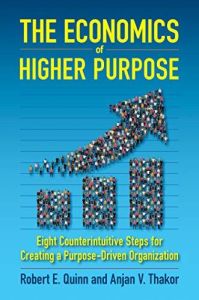
The Economics of Higher Purpose

Eight Counterintuitive Steps for Creating a Purpose-Driven Organization

Berrett-Koehler, 2019 更多详情

Buy the book


Editorial Rating

9

getAbstract Rating

  • Well Structured
  • Concrete Examples
  • Hot Topic

Recommendation

Business educators Robert E. Quinn and Anjan Thakor define a business’s purpose in clear practical terms any leader will understand. They repeat and reinforce their mantra: Your authentic purpose already exists. You must discover it, not invent it. Every business decision and action a leader takes must reflect his or her organization’s reason for being, despite the cost. Only then will your employees believe in and embrace your purpose. Only then will you ignite the loyalty and effort that an authentic, shared mission inspires. Profits will follow.

Summary

Abandon the “principal-agent” myth. Employees are not naturally lazy. They seek purpose. Don’t micromanage them, inspire them.

Classic economics argue that people act in their own self-interest and exert the least effort possible for the most gain – that is the principal-agent problem. Under this philosophy, managers must watch, prod, reward and punish workers. This managerial approach, which has prevailed for decades if not centuries, creates exactly what its managers expect: disengaged, unenergized workers who need constant micromanagement. But when organizations adopt and maintain an authentic purpose – one that guides all their decisions – employees embrace the organizational purpose as their own. A shared purpose ignites camaraderie and collaboration, improving performance and then profits.

Authentic purpose can never speak directly to financial goals. Improved financial performance emerges from higher purpose. Higher purpose doesn’t mean corporate charity. Your firm needn’t sacrifice its business goals to do good. Instead, link your company’s purpose to its strategy, objectives and business success.

True purpose guides few organizations...

About the Authors

Robert E. Quinn is a business professor emeritus at the University of Michigan. Professor Anjan V. Thakor teaches at the University of Washington Olin School of Business.


Comment on this summary

More on this topic

Related Skills

推进职业发展
AI Transformation
发挥创意
提升情商
变得更加适应变化
建立和维护福祉
职业发展
有效沟通
制定商业计划
开发创新产品
数字化转型
Drive AI Transformation
Enhance Cybersecurity
创业
人力资源
战略性创新
引领运营规划
战略性领导
Leverage AI for HR
Leverage AI for Leadership
健康生活
做出明智决策
管理企业沟通
Manage Learning and Development
管理团队和部门
管理
市场营销
精通人际关系技巧
Navigate Leadership Challenges
战略性安置人才
制定销售计划和战略
制定战略规划
促进多样性、公平与包容
销售
软技能
Strengthen Team Collaboration
理解创新
理解组织运作
职场技能
传达企业使命
营造归属感
高管领导力
应用设计思维
领导自我
提升韧性
促进小组创意
激励自己
设定团队目标
发展思维能力
Enable Digital Organization
以德领导
Organize for AI
进行团队决策
发展组织
寻找人生目标
管理领导影响力
Use AI for Learning & Development
创造性协作
保持真实
倡导新创意
培养毅力
管理销售团队
建立强大关系
培养他人责任感
管理员工才能
Use AI for Coaching and Development
培养领导者
促进代际包容
提升员工技能和知识
设定商业目标
建立心理安全感
透明沟通
理解动机
实践服务型领导
Build Security Culture
Foster Team Culture
利用员工资源小组
理解组织变革
理解组织学习
寻找意义
创建职业发展路径
培养创新文化
包容性领导
可持续
了解自我
战略沟通
提升组织绩效
个人成长
Practice Transformational Leadership
以非权威之力推动变革
发展自我掌控力
Drive Team Performance
精通协作
发展自我意识
创新
推动创造力
支持团队成员的职业发展
培养好奇心
领导力
管理变革
培养积极心态
从事企业内部创业
有意图地生活
塑造组织文化
赢得他人信任
Build Digital Culture
激励团队
将战略转化为行动
支持内部流动
推动员工参与度
定义使命、愿景与目标
Develop Team Members
提升员工体验
指导员工
Manage People and Talent
追求终身学习
定义核心价值观
成为自驱学习者
变革中领导
提升客户导向
培养团队成员
定义产品愿景
传达公司战略
养成学习习惯
勇于脆弱
建立共同愿景
推动学习文化
培养成长型思维