
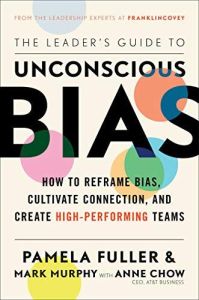
Book
The Leader's Guide to Unconscious Bias
How to Reframe Bias, Cultivate Connection, and Create High-Performing Teams
Simon & Schuster,
2020
更多详情
From THE LEADER'S GUIDE TO UNCONSCIOUS BIAS, How To Reframe Bias, Cultivate Connection, and Create High-Performing Teams by Pamela Fuller and Mark Murphy with Anne Chow. Copyright © 2020 by Franklin Covey Co.. Reprinted by permission of Simon & Schuster, Inc.
ISBN: 9781982144319
Pages: 304
ISBN: 9781982144319
Pages: 304


We currently cannot offer you an audio version of this summary.



扫码即可阅读分享此浓缩书
Recommendation
Imagine a help-wanted advertisement specifying that candidates must be right-handed, brown-haired and more than six feet tall. According to authors Pamela Fuller, Anne Chow and Mark Murphy, preferences like these actually do play a significant role in your judgments. Because biases are unconscious, you won’t realize you’re making hiring decisions based on assumptions that may be irrelevant, unfair or untrue. The authors explain how to become aware of your biases and then outline strategies for circumventing them.
Summary
About the Authors
Pamela Fuller is FrankinCovey’s “chief thought leader on inclusion and bias.” Anne Chow is the CEO of AT&T Business. Mark Murphy is a FranklinCovey senior consultant.













Comment on this summary