跳过导航
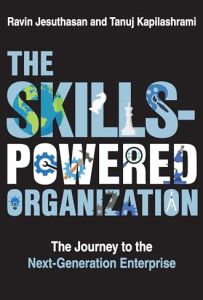
The Skills-Powered Organization
Book

The Skills-Powered Organization

The Journey to the Next-Generation Enterprise

MIT Press, 2024 更多详情

Buy the book


Editorial Rating

8

getAbstract Rating

  • Applicable
  • Concrete Examples
  • Hot Topic

Recommendation

In today’s fast-evolving world of work, organizations and workers alike must prioritize the identification, development, and deployment of employee skills. In this helpful guide, talent management experts Ravin Jesuthasan and Tanuj Kapilashrami provide a framework for a skills-centric approach to talent management and work design that renders companies more agile, resilient, and high-performing. Their detailed case studies demonstrate how to deconstruct jobs into tasks, leverage internal talent marketplaces, and foster a culture of continuous learning as a skills-powered organization.

Summary

Retire the jobs-based organizational model in favor of a skills-centric approach.

Artificial intelligence (AI) and automation are reshaping how individuals and companies organize and perform tasks. To fully leverage automation, organizations must identify and optimize the individual tasks and skills that underpin work rather than focusing primarily on official roles.

They must learn from alternative work models, such as freelancing, gig work, and project-based roles that emphasize individual capabilities and specific skills. Businesses must also abandon narrow job descriptions and hiring practices that limit diversity and undervalue skills.

Skills allow workers and companies to stay competitive in the evolving world of work.

In a fast-changing labor market, people must continuously build diverse, adaptable skill sets to stay relevant. Top in-demand skills include critical thinking, creativity, emotional intelligence, and digital literacy.

Generation Z’s preference for flexible, meaningful work, autonomy, and versatility supports a skills-first approach. Leading organizations in the new skills economy, such...

About the Authors

Ravin Jesuthasan leads Mercer’s Transformation Services business and contributes to the World Economic Forum. Tanuj Kapilashrami is the chief strategy and talent officer at Standard Chartered Bank.


Comment on this summary

More on this topic

Related Skills

人工智能转型,实施基于人工智能的流程优化,跨部门整合人工智能解决方案,评估企业采用人工智能的准备情况
利用人工智能进行人力资源管理,将人工智能洞察融入人力资源战略,实施自动化人力资源数据分析系统,利用人
管理学习与发展,制定企业学习战略,管理员工学习路径,评估团队的发展需求,优化学习资源分配,评估培训项
管理人员和人才,在变革期间有效处理团队动态,实施人才保留策略,高效解决复杂的劳动力挑战,与员工进行有
战略性安置人才
数字化转型
推动人工智能转型,在各部门实施人工智能转型,协调与利益相关者的人工智能倡议,监督人工智能技术的整合,
启用数字化组织,促进数字化组织变革,提高运营中的数字化效率,支持数字工具的整合,为数字平台调整工作流
高管领导力
领导力
管理
理解人工智能,向同事解释基本的人工智能概念,区分人工智能与传统软件解决方案,总结人工智能在现代工作场
职场技能
为人工智能组织,建立以人工智能为中心的组织结构,设计人工智能整合的工作流程,实施人工智能项目的团队结
发现人工智能的应用案例,识别商业中潜在的人工智能应用,探索人工智能在工作场所改进中的可能性,分析人工
引导团队顺利过渡到人工智能,促进团队适应人工智能工具,准备员工迎接人工智能驱动的角色,管理对人工智能
了解生成性人工智能,识别生成性人工智能机会,探索生成性人工智能的应用,生成性人工智能在商业中的案例研
使用人工智能进行绩效跟踪,利用人工智能跟踪员工绩效,借助人工智能工具监控工作进展,通过人工智能分析生
了解人工智能的能力和局限性,认识人工智能的问题解决能力,识别人工智能可以优化的任务,评估人工智能在流
未来工作
使用人工智能进行数据分析,实施人工智能以增强数据洞察,将人工智能集成到数据处理任务中,利用人工智能工
使用人工智能增强沟通,整合人工智能以改善工作场所沟通,应用人工智能工具以实现更清晰的信息传递,利用人
在日常任务中利用人工智能,将人工智能工具整合到工作流程中,使用人工智能自动化重复性任务,利用人工智能
使用人工智能进行人才招聘,识别招聘的人工智能工具,利用人工智能提高招聘效率,自动化人才获取,实施人工
利用人工智能制定商业战略,战略性地将人工智能融入商业计划,制定以人工智能驱动的企业战略,评估人工智能
利用人工智能进行管理,将人工智能工具整合到管理流程中,使用人工智能分析管理数据,利用人工智能增强团队
提升员工技能和知识
使用人工智能结合公司知识,将人工智能与内部数据源整合,为特定公司需求定制人工智能工具,使用专有公司信
人力资源
理解人工智能对工作的影响,评估人工智能对日常任务的影响,评估人工智能驱动的工作场所变化,识别人工智能
规划人工智能劳动力转型,设计人工智能劳动力过渡路线图,评估团队的人工智能准备情况,评估当前人工智能岗
利用人工智能提升领导力,将人工智能洞察融入领导决策,使用人工智能工具增强领导战略,通过人工智能分析推
使用人工智能进行技能匹配,利用人工智能算法进行技能对齐,运用人工智能技术匹配员工技能,整合人工智能工
使用人工智能进行人力资源规划,实施人工智能解决方案于人力资源规划,利用人工智能分析人力资源数据,使用
使用人工智能进行辅导和发展,将人工智能融入个人发展计划,利用人工智能识别成长机会,在员工辅导中应用人
利用人工智能进行学习和技能提升,寻找员工培训的人工智能工具,将人工智能融入学习计划,利用人工智能进行
利用人工智能进行学习与发展,将人工智能工具整合到培训项目中,通过人工智能洞察提升员工成长,利用人工智