跳过导航
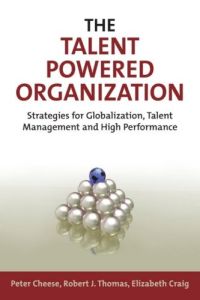
The Talent Powered Organization
Book

The Talent Powered Organization

Strategies for Globalization, Talent Management and High Performance

Kogan Page, 2007 更多详情

Buy the book


Editorial Rating

7

getAbstract Rating

  • Applicable

Recommendation

You don’t need to be a genius to figure out that your company’s performance depends on your employees. But Peter Cheese, Robert J. Thomas and Elizabeth Craig maintain that having the right people is only part of the formula for achieving organizational affluence. They say good companies know how to get the most from their talented people and keep them motivated. The authors discuss the pivotal role of line managers in employee retention, performance and job satisifcation. They offer a thoughtful overview (if less generally original content) covering new findings in the field, including solid case histories and analyses of recent surveys and polls. getAbstract believes managers will find value in this thorough exposition of how to recruit, engage, guide and motivate talented staff members.

Summary

Making Talent a Priority

Your organization’s long-term growth and prosperity requires identifying the skills and attributes you need your employees to have, and then bringing the right individuals into the fold. Once you master those challenges, you need to take an additional step. Establishing and maintaining a competitive advantage depends on your ability to manage, develop, motivate and deploy your talented people. That is not so easy, especially when you consider how the business world is evolving.

Although the global workforce is diverse and expanding, particularly in China and India, the world’s talent pool is shrinking. One study indicates that the U.S. will fall short by 17 million skilled workers over the next 20 years as experienced baby boomers leave the workplace. The battle for talent is fierce and complicated. Younger employees can be more selective about their prospective employers. They can demand higher salaries, better benefits and an improved work-life balance. At the same time, they are less loyal and more likely to take advantage of the next great opportunity, even just a couple of years down the line.

Although a recent Gallup poll indicated...

About the Authors

Peter Cheese is managing director of an international consultancy’s “Human Performance” practice. Robert J. Thomas is executive director of the company’s performance training institute. Elizabeth Craig is a research fellow with the company.


Comment on this summary

  • Avatar
  • Avatar
    Q. X. 1 decade ago
    亲爱的shenghua chu,

    您好,我们暂时还没有计划推出KNOW-HOW的中文版,您可以阅读我们书库中其他关于“领导力与管理”的书摘,例如“12条”等。

    益得书摘

More on this topic

Related Skills

AI Transformation
提升情商
变得更加适应变化
建立和维护福祉
职业发展
发展组织
数字化转型
Drive Team Performance
Enable Digital Organization
人力资源
战略性创新
创新
战略性领导
领导自我
Leverage AI for HR
Leverage AI in Your Daily Tasks
健康生活
管理绩效
管理员工薪酬
个人成长
促进多样性、公平与包容
软技能
理解创新
职场技能
理解组织运作
衡量学习与发展的影响
激励自己
管理变革
支持内部流动
Use AI for Workforce Planning
Use AI for Learning and Upskilling
Develop Team Members
实施辅导项目
利用学习与发展技术
保障员工福祉
健康老龄化
识别自身优势
提升员工体验
指导员工
设计激励结构
提升组织绩效
Build Digital Culture
Manage Learning and Development
发展思维能力
激励团队
Use AI for Learning & Development
利用双元性管理
进行员工调查
识别技能差距
招聘多元化人才
培养团队成员
建立雇主品牌
管理
追求终身学习
打造学习体验
高管领导力
培养成长型思维
成为自驱学习者
利用社交学习
理解人类行为
理解动机
留住员工
管理员工关系
实施培训项目
求职
理解组织学习
养成学习习惯
利用员工资源小组
寻找意义
领导力
吸引和招聘人才
塑造组织文化
培养领导者
提升员工技能和知识
Use AI for Talent Sourcing
制定招聘策略
战略性安置人才
理解学习
Manage People and Talent
管理员工才能
推动学习文化
推动员工参与度