



1×
Melden Sie sich an, um die Audiozusammenfassung anzuhören.



Klicken Sie mit der rechten Maustaste auf den Code, um das Bild zu kopieren.
Hinweis: Bei ASP-Portalen ist der Link hinter dem Code portalspezifisch!
Recommendation
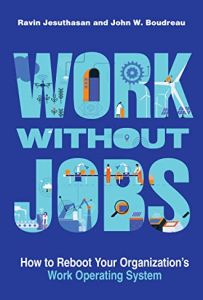
Forces such as new technologies rapidly disrupt the workplace, say Ravin Jesuthasan and John W. Boudreau, and the future of work no longer centers around jobs or employees. Organizations that want to get ahead of the curve must “deconstruct” work into its component parts and reassemble all the moving pieces, such as tasks and worker capacities, into more effective arrangements. Jesuthasan and Boudreau urge leaders to adopt agile practices and prepare for disruption of their roles as they help organizations embrace a new paradigm of work.
Summary
About the Authors
Consulting Magazine recognized Wall Street Journal best-selling author Ravin Jesuthasan as one of the world’s top 25 most influential consultants on the future of work and human capital. University of Southern California professor at the Marshall School of Business John W. Boudreau, PhD is the research director of the Center for Effective Organizations.
By the same authors
Learners who read this summary also read
Related Skills

数字化转型

发现和理解数字技术,跟上新兴技术趋势,探索新数字技术的影响,了解数字技术在工作中的好处,识别商业中新

执行数字运营,通过数字工具管理日常任务,执行无缝的数字工作流程,确保数字平台顺利运行,有效协调数字资

人力资源

利用人工智能进行管理,将人工智能工具整合到管理流程中,使用人工智能分析管理数据,利用人工智能增强团队

利用人工智能提升销售,识别能够促进销售的人工智能工具,利用人工智能增强销售策略,整合人工智能以理解客

管理

优化生产

个人成长

生产与物流

销售

理解人工智能,向同事解释基本的人工智能概念,区分人工智能与传统软件解决方案,总结人工智能在现代工作场

职场技能

理解人工智能对工作的影响,评估人工智能对日常任务的影响,评估人工智能驱动的工作场所变化,识别人工智能

变得更加适应变化

培养灵活性

利用人工智能进行人力资源管理,将人工智能洞察融入人力资源战略,实施自动化人力资源数据分析系统,利用人

人工智能转型,实施基于人工智能的流程优化,跨部门整合人工智能解决方案,评估企业采用人工智能的准备情况

利用人工智能提升个人生产力,结合人工智能工具优先处理任务,通过人工智能应用简化日常工作,利用人工智能

拥抱变革

在日常任务中利用人工智能,将人工智能工具整合到工作流程中,使用人工智能自动化重复性任务,利用人工智能

利用人工智能代理,将人工智能代理集成到日常工作流程中,利用人工智能代理进行任务管理,使用人工智能代理

探索和理解机器人技术与自动化,了解机器人应用的基础知识,理解制造环境中的自动化,评估自动化对工作流程

自动化流程

使用人工智能进行流程优化,利用人工智能自动化重复性工作流程,提升运营效率,通过人工智能解决方案减少流

使用人工智能进行工作流程自动化,集成人工智能工具以自动化任务,利用人工智能简化销售流程,通过人工智能

未来工作

新型工作模式

Comment on this summary