
跳过导航
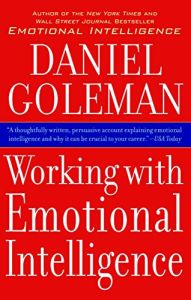
Working With Emotional Intelligence
Book

Working With Emotional Intelligence

Bantam, 2000
First Edition: 1998 更多详情

Buy the book


Editorial Rating

9

getAbstract Rating

  • Innovative
  • Applicable

Recommendation

Author Daniel Goleman applies the rules of "emotional intelligence" to the workplace. Being intelligent counts in the world of business, but the interpersonal smarts referred to as "emotional competencies" count even more. Goleman, who wrote the seminal book Emotional Intelligence, underscores his conclusion with numerous studies and anecdotes, showing that those who have "people skills" are likelier to succeed. Skills that help teams collaborate are increasingly important as coalition building emerges as the model for getting things done. Goleman includes thorough guidelines for implementing effective "EQ" training programs. Companies that train managers in "emotional competencies" reap concrete business benefits: increased sales, more seamless teamwork, and constant improvement based on analysis and feedback. getAbstract highly recommends this well-written book on how understanding feelings adds to your bottom line.

Summary

People Who Like People

Managers today worry about losing their jobs – and with good reason. The days of working 30 years for one company and then retiring are done. An advanced degree and technical know-how do not guarantee that you will keep your job. Evidence reveals that today's employers seek new hires who have better listening skills, who accept criticism well, whose personalities exhibit overall situational flexibility and who are self-directed. Companies now need employees with "people skills." In the modern workforce, "emotional intelligence" or "EQ," offers a more complete measure of professional success than IQ. Many studies show that IQ without an emotional component is not enough for success. But, in contrast to cognitive intellect, you can improve your emotional intelligence.

The emotional competencies necessary for success include the ability to self-start, grasp personality-based politics and get along with others. Companies prize these skills more than know-how. Studies probing different angles of what you need to be a "top performer" all yield the same startling result: most companies feel that interpersonal skills are more important to job excellence...

About the Author

Daniel Goleman received his Ph.D. from Harvard and is Co-Director of the Consortium for Research on Emotional Intelligence in Organizations at Rutgers University. He is the author of many books, including the groundbreaking Emotional Intelligence.



Comment on this summary

  • Avatar
  • Avatar
    p. h. 1 decade ago
    The observations in getAbstract are totally on target. I have worked in the corporate world (public and private sectors) for over thirty years. Most of the positions I have held have been in fortune 400 companies (or better) at a senior executive level.
    Pepperdine University turned me on to the work in September 2011. Once it arrived I read it from cover to cover without stopping. I found the case studies and related leadership dilemmas relevant to the semiotic domains of U.S. corporations and our government in modern times.
    PHuff

More on this topic

Related Skills

Develop Team Members
Drive Team Performance
培养创新文化
Foster Team Culture
人力资源
创新
以德领导
健康生活
Manage Learning and Development
管理绩效
管理
精通协作
促进多样性、公平与包容
职场技能
改善心理健康
战略性领导
推动员工参与度
转化潜在客户
指导员工
Strengthen Team Collaboration
培养毅力
拥抱变革
赢得他人信任
克服冒充者综合症
个人成长
理解人类行为
提升韧性
Manage People and Talent
愿意接受指导
提高工作效率
寻找意义
推动学习文化
理解认知
危机中领导
销售
擅长对话
影响他人
练习正念
理解沟通
理解社会行为
精通 B2B 销售
提升专注力
建立和维护福祉
有效沟通
利用员工资源小组
发展思维能力
拥抱挑战
做出明智决策
变得更加适应变化
构建个人影响力
应对困难对话
识别自身优势
管理员工关系
Navigate Leadership Challenges
提升员工体验
设定边界
培养灵活性
应对职场政治
应对不确定性
Practice Transformational Leadership
建立心理安全感
管理压力
克服自我怀疑
非言语沟通
识别社交线索
保持真实
展现同理心与关怀
营造归属感
高管领导力
建立强大关系
克服挑战
建立自信
发展自我掌控力
精通人际关系技巧
实践服务型领导
软技能
理解情绪
管理领导影响力
管理情绪
勇于脆弱
领导力
建立客户关系
发展自我意识
提升情商
了解自我
领导自我