
Skip navigation
化解冲突的七大原则
书籍

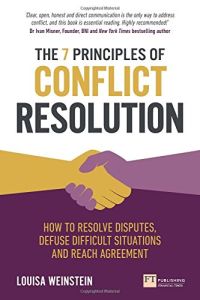
化解冲突的七大原则

如何解决争端、摆脱困境并达成协议

FT Publishing, 2018 more...

购买此书

评级

7

关键特征

  • 实用性
  • 结构清晰
  • 实例

导读荐语

仲裁师路易莎·温斯坦提出了化解冲突的七大原则。她认为,在处理冲突之前,要先平息个人的焦虑感。不要让冲突升级,而要分析其背后原因,尝试化解冲突。语言既能化解冲突,也能使其加剧;而要化解冲突,“深度广泛倾听”很重要。要多思考对话中的潜台词,留心人们刻意回避的话题。温斯坦的很多观点都在强调,那你需要抛开一时冲动之下的防御反应。对人事从业者及新人仲裁师来说,她的建议将是非常有用的。

浓缩书

面对冲突

要有效解决冲突,你必须先放轻松,相信自己有能力应对。但如果选择逃避或者忽视冲突,你会让自己陷入困境,在高压之下给予自己更多束缚。

科学家称,人性有七种“本能”,即:“探索、愤怒、恐惧、惊慌、关怀、快乐/性欲和玩耍”。探索本能驱使你了解周围环境,发现自己的不足之处。若要在冲突环境下找到高效新颖的解决之道,你必须挖掘这项本能。要记住,极端焦虑会使你失去这一能力。你需要抛开焦虑,化解冲突。玩耍本能对此非常重要,它能帮助你找出新的解决方法,而非聚焦于单一方案。你可以探索不同的解决方案,但不一定都要做到完美。

冲突就是团体、个人、企业或政府机构之间的不和。冲突可能起源于很小的事情。如果当事方不及时解决小问题,冲突可能会加剧。很多人都不喜欢冲突,想要尽量避免冲突;他们甚至也会避开并不介意冲突的人。但他们并不知道,若能在深思熟虑之后找到强有力的解决方案,便能将冲突化为机遇,甚至找到在非冲突条件下无法找到的全新解决方式。

恢复平衡

与他人意见不一很正常,但这可能会导致意想不到的结果,例如闹上法庭等。长期忽视一些小问题,累积起来就可能变成严重冲突。若想改变策略,你需要有意而为。改变对一个人来说并不舒服,因为你不知道会有什么风险。别人可能会责怪或者利用你。另外,就算付出再大努力,你也不一定能够成功解决问题。不确定因素永远存在,这也是为什么即便当事双方都心存善意,有些冲突仍会持续很多年。

关于作者

路易莎·温斯坦(Louisa Weinstein)是一名经验丰富的仲裁师兼培训师,擅长解决公司与私募股权法、公营部门咨询工作和社会企业的有关问题。


恭喜你又学完了一篇干货!复述、评论及做笔记是对知识最大的致敬↓

猜你喜欢

相关技能

Be Creative
Become More Adaptable
Build and Maintain Well-Being
Digital Transformation
Enable Digital Organization
Enhance Cybersecurity
Executive Leadership
Human Resources
Innovation
Live Well
Management
Master Collaboration
Personal Growth
Promote Diversity, Equity, and Inclusion

Strengthen Team Collaboration
Understand Organizations
Workplace Skills
Communicate Effectively
Be Emotionally Intelligent
Excel at Conversations
Navigate Office Politics
Understand Personality Types
Foster Team Culture
Promote Failure-tolerance
Address Microaggressions
Set Boundaries
Lead Yourself
Build Security Culture
Build Team Cohesion
Live Intentionally
Embrace Change
Leadership
Overcome Challenges
Build an Inclusive Culture
Manage Change
Understand Cultural Differences
Enhance Employee Experience
Promote Generational Inclusion
Encourage Experimentation
Understand Emotions
Support Employees’ Well-being
Foster Open Communication
Navigate Leadership Challenges
Build Digital Culture
Soft Skills
Foster Collaboration
Facilitate Discussions
Facilitate Group Ideation
Manage Your Emotions
Navigate Difficult Conversations
Promote Ethnic Inclusion
Show Empathy and Compassion
Manage People and Talent
Master Interpersonal Skills
Foster a Culture of Innovation
Understand Organizational Culture
Listen Well
Understand Team Dynamics
Manage Your Leadership Impact
Communicate Across Cultures
Increase Your Cultural Awareness
Manage Employee Relations
Develop Self-Awareness
Navigate Workplace Culture
Build Psychological Safety
Understand Yourself
Resolve Conflicts
Deal with Difficult People
Shape Organizational Culture