
Skip navigation
微励管理
书籍

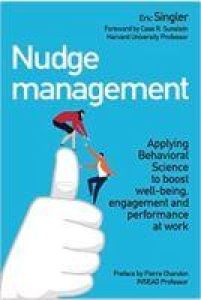
微励管理

利用行为科学提高工作幸福感、投入度和工作表现

Pearson France, 2019 more...

购买此书

评级

7

关键特征

  • 实用性
  • 引人入胜

导读荐语

通过援引清晰可靠的实验数据,咨询顾问埃里克·辛格勒(Eric Singler)将前沿心理学和行为经济学理论与创新实践结合起来,在员工工作投入度和工作表现方面提出了一项创新性举措。他的分析清晰明了,有文献和深入的研究作为佐证,尽管所涉各项研究的适用性有所不同。作者所付出的卓绝的努力为我们提供了宝贵的洞见,其观点有着经严格实验和观测得来的实例作为支撑。本书注重实操,读者可能因专业出身不同而对本书评价各异,但作者合理的建议,尤其是在揭示有关成见和应对这些成见所能采取的微励措施方面,仍然值得赞赏。

浓缩书

“微励”这样一种引导人们更好行为和选择的微观、良性的机制,已经渗透到了社会的各个角落,尽管你可能很少注意到它。

员工们想要热爱工作,他们渴望全情投入、做到最好。但遗憾的是,大部分公司还在使用过时的、命令-控制式的、基于恐惧的管理手段,使得员工难以投入工作和开展创新。通过利用神经科学和行为经济学的知识,公司能够与员工共同创造新环境,最大限度发挥他们的能力。

养老金计划中的“自动注册”这一微励机制常常能够高效地发挥作用。这一措施成本不高,不像法律或税收那样强制发挥作用,而是一步步引导人们做出更好的选择。微励机制解决了人类抗拒改变、安于现状、出于偏见和情绪做出非最优决定的倾向。通过良性地鼓励公司和员工做出更好的选择,微励机制能够优化决策、改变行为、提高生产力。

传统经济学描绘的是一幅幻象,而行为经济学真正解释了人们如何思考和行为。

不久之前,经济学家还坚持认为,人们在决策前会精打细算,做出利益最大化的理性选择。直到1970年代,实验才证明了传统经济学的虚妄。考虑到人们每天要面临数以千计的选择,不用说最优化,单单将每个决定纳入考量都不切实际。人们决策时往往会走捷径。

诺贝尔经济学奖得主丹尼尔·卡纳曼(...

关于作者

埃里克·辛格勒(Eric Singler)是现领导BVA咨询公司。卡斯·桑斯坦(Cass R. Sunstein)和皮埃尔·尚东(Pierre Chandon)是这一领域备受尊敬的学者,参与了前言和序的编写。


恭喜你又学完了一篇干货!复述、评论及做笔记是对知识最大的致敬↓

猜你喜欢

相关技能

Advance Your Career
AI Transformation
Attract and Recruit Talent
Become More Adaptable
Career
Communicate Effectively
Develop Innovative Products
Develop Team Members
Develop the Organization
Develop Your Thinking Skills
Digital Transformation
Future of Work
Drive AI Transformation
Enable Digital Organization
Enhance Cybersecurity
Entrepreneurship
Human Resources
Increase Your Cultural Awareness

Innovate Strategically
Lead Ethically
Lead Yourself
Leverage AI for Leadership
Manage Climate Risks
Manage Learning and Development
Manage Remuneration
Management
Marketing
Master Collaboration
Master Interpersonal Skills
Personal Growth

Place Talent Strategically
Promote Diversity, Equity, and Inclusion

Sustainability
Understand Consumer Behavior
Understand Economics
Understand Cognition
Mitigate Carbon Footprint
New Work Models
Manage Your Leadership Impact
Overcome Challenges
Understand Motivation
Understand Yourself
Develop Self-Mastery
Facilitate Group Ideation
Maintain Work-Life Balance
Motivate Yourself
Promote Neuro-Inclusion
Understand Unconscious Bias
Become a Self-Driven Learner
Leverage Ambidexterity
Navigate Leadership Challenges
Organize Innovation
Set Boundaries
Find Meaning
Engage in Intrapreneurship
Manage Stress
Shape Organizational Culture
Adopt a Learning Habit
Support Internal Mobility
Create a Hiring Strategy
Communicate Transparently
Enhance Employee Experience
Challenge Assumptions
Support Employees’ Well-being
Work Remotely
Live Intentionally
Manage Your Time
Be Emotionally Intelligent
Build Digital Culture
Guide Teams Through AI Transition
Soft Skills
Create a Sense of Belonging
Foster Ownership in Others
Strengthen Team Collaboration
Drive AI Adoption in Teams
Champion New Ideas
Support Others
Promote Generational Inclusion
Avoid Procrastination
Coach People
Offer Flexible Work Arrangements
Promote Gender Inclusion
Design Incentive Structures
Leadership
Build and Maintain Well-Being
Leverage Social Learning
Develop Grit
Foster a Culture of Innovation
Be Coachable
Drive Team Performance
Enhance Team Agility
Cultivate Self-Discipline
Drive Employee Engagement
Motivate Your Team
Executive Leadership
Foster Collaboration
Behavioral Economics
Build Useful Habits

Foster Open Communication
Get Physically Fit
Promote Creativity
Build Your Resilience
Cultivate Curiosity
Practice Transformational Leadership
Be Creative
Build Security Culture
Dare to be Vulnerable
Embrace Change
Lead Inclusively
Collaborate Creatively
Live Well
Practice Mindfulness
Manage People and Talent
Build an Inclusive Culture
Embrace Divergent Thinking
Workplace Skills
Practice Servant Leadership
Sleep Well
Cultivate Positivity
Eat Healthily
Practice Humility
Foster Team Culture
Enhance Your Focus
Become More Productive
Improve Your Mental Health
Promote Failure-tolerance
Innovation
Live Sustainably
Build Psychological Safety
Encourage Experimentation
Mitigate Cognitive Biases
Promote a Learning Culture
Cultivate a Growth Mindset
Enhance Physical Workspace Design