Saltar a navegação
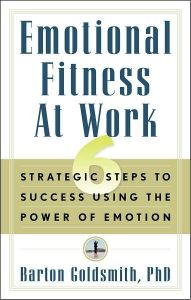
Emotional Fitness at Work
Book

Emotional Fitness at Work

6 Strategic Steps to Success Using the Power of Emotion

Career Press, 2009 mais...

Buy the book


Editorial Rating

6

getAbstract Rating

  • Engaging

Recommendation

What role do emotions play in the workplace, especially during hard economic times? Psychotherapist Barton Goldsmith poses this provocative, relevant question early in his book. To answer it, he provides accessible, broad advice as opposed to delving deeply into the subject. His book is a compilation of business advice in 62 short chapters sorted into six categories, with a little overlap in places, apparently for the sake of thoroughness. Although perhaps not well served by his proofreader, Goldsmith briefly and interestingly touches on many management topics, like embracing failure, encouraging innovation, having fun in the workplace, planning for crises, resolving conflicts and bestowing recognition. Although he devotes only a few pages to each issue, getAbstract recommends his book as an overview of tips for success with emotionally based concerns in the business world.

Summary

Managing in the Slump

The current financial downturn has produced a torrent of alarm, anxiety and anger among U.S. workers. People are worried about the economy and their job security, and they’re bringing that emotion into the office. How do these negative feelings affect the workplace? Unhappy, emotional people may behave unpredictably or refuse to cooperate, either by withdrawing or by acting aggressively. They might miss deadlines, offend clients and co-workers, and fail to contribute. The ongoing crisis likely has made them cautious and risk adverse. Fear may slow their productivity, inhibit their communication and stunt their creativity.

As a manager, do not attempt to handle these problems by pushing employees to suppress their emotions. Instead, encourage them to recognize their feelings and communicate about them in an open, healthy way. Hire experienced counselors if necessary. Although some people think that business professionals should not be demonstrative, you can’t be passionate about your work without being emotional. Emotions provide the energy that fuels your company’s development.

Secrets of Success

High achievers have many traits...

About the Author

Barton Goldsmith, Ph.D., is a psychotherapist, columnist, author and radio host. His articles have appeared in many respected publications, including the Chicago Sun-Times, the Atlanta Journal Constitution and the Los Angeles Business Journal.


Comment on this summary

More on this topic

Related Skills

Advance Your Career
AI Transformation
Become More Adaptable
Career
Convert Prospects
Corporate Finances
Develop Team Members
Enhance Customer Experience
Foster a Culture of Innovation
Human Resources
Innovation
Lead Ethically
Leverage AI for Leadership
Live Well
Make Good Decisions
Manage Change
Manage Corporate Communications
Manage Financial Risks
Manage Learning and Development
Manage Performance
Manage Post-Sale Relationships
Manage Risk
Management
Marketing
Master Collaboration

Place Talent Strategically
Plan and Strategize Your Sales
Plan Strategically
Promote Diversity, Equity, and Inclusion

Sales
Strengthen Your Digital Literacy
Understand Organizations
Workplace Skills
Manage Your Leadership Impact
Build Your Resilience
Motivate Yourself
Set and Achieve Goals
Improve Your Mental Health
Become a Self-Driven Learner
Practice Servant Leadership
Understand Motivation
Create a Sense of Belonging
Cultivate a Growth Mindset
Become an Ally to Minority Team Members
Become More Productive
Shape Organizational Culture
Overcome Challenges
Manage Sales Teams
Navigate Office Politics
Leadership
Executive Leadership
Increase Your Cultural Awareness
Be Authentic
Overcome Loneliness
Personal Growth
Pursue Excellence
Work Remotely
Build and Maintain Well-Being
Cultivate Self-Discipline
Lead Strategically
Collaborate Virtually
Manage Your Personal Reputation
Develop Grit
Support Employees’ Well-being
Cultivate Positivity
Deal with Workplace Bullying
Implement Coaching Programs
Navigate Workplace Culture
Support Internal Mobility
Communicate Inclusively
Manage Financial Crises
Understand Human Behavior
Drive Team Performance
Manage Complaints
Build Team Cohesion
Provide Feedback
Develop Leaders
Understand Personality Types
Act Ethically
Build Strong Relationships
Navigate Leadership Challenges
Practice Humility
Understand Yourself
Understand Social Behavior
Use AI to Enhance Communication
Leverage Employee Resource Groups
Practice Transformational Leadership
Advance as a Woman Leader
Handle Grievances
Motivate Your Team
Support Team Members’ Careers
Adapt Communication Style
Manage People and Talent
Understand Team Dynamics
Be Coachable
Embrace Challenges
Drive Employee Engagement
Address Microaggressions
Be Emotionally Intelligent
Foster Team Culture
Communicate Transparently
Understand Microaggressions
Lead Yourself
Solve Problems
Understand Cultural Differences
Build Prospect Rapport
Practice Gratitude
Promote a Learning Culture
Set Boundaries
Become a Mentee
Understand Leadership Approaches
Coach People
Manage Team Communication
Find Meaning
Lead through Change
Strengthen Team Collaboration
Manage Your Emotions
Manage Stress
Facilitate Discussions
Navigate Uncertainty
Succeed in a New Job
Build Your Presence
Enhance Employee Experience
Communicate Across Cultures
Recognize Social Cues
Communicate Clearly
Listen Well
Resolve Conflicts
Build Psychological Safety
Develop Self-Awareness
Ensure Business Continuity
Gain People's Trust
Dare to be Vulnerable
Manage Employee Relations
Foster Open Communication
Understand Emotions
Implement Mentoring Programs
Master Business Etiquette
Communicate Non-Verbally
Manage Crisis Communication
Support Others
Deal with Difficult People
Understand Communication
Manage Crises
Mentor Employees
Show Empathy and Compassion
Excel at Conversations
Master Interpersonal Skills
Communicate Effectively
Lead Through Crises
Navigate Difficult Conversations
Soft Skills