Π—Π°Ρ€Π΅Π³ΠΈΡΡ‚Ρ€ΠΈΡ€ΡƒΠΉΡ‚Π΅ΡΡŒ Π½Π° getAbstract, Ρ‡Ρ‚ΠΎΠ±Ρ‹ ΠΏΠΎΠ»ΡƒΡ‡ΠΈΡ‚ΡŒ доступ ΠΊ этому ΠΊΡ€Π°Ρ‚ΠΊΠΎΠΌΡƒ излоТСнию.

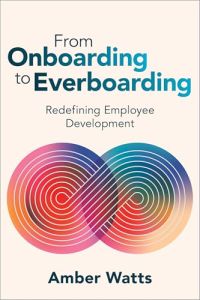
From Onboarding to Everboarding

Π—Π°Ρ€Π΅Π³ΠΈΡΡ‚Ρ€ΠΈΡ€ΡƒΠΉΡ‚Π΅ΡΡŒ Π½Π° getAbstract, Ρ‡Ρ‚ΠΎΠ±Ρ‹ ΠΏΠΎΠ»ΡƒΡ‡ΠΈΡ‚ΡŒ доступ ΠΊ этому ΠΊΡ€Π°Ρ‚ΠΊΠΎΠΌΡƒ излоТСнию.

From Onboarding to Everboarding

Redefining Employee Development

ATD (Association for Talent Development),

15 ΠΌΠΈΠ½ Π½Π° Ρ‡Ρ‚Π΅Π½ΠΈΠ΅
6 основных ΠΈΠ΄Π΅ΠΉ
Аудио ΠΈ тСкст

Π§Ρ‚ΠΎ Π²Π½ΡƒΡ‚Ρ€ΠΈ?

Transform onboarding into a long-term, growth-oriented, employee engagement strategy: β€œeverboarding.”

1×

Editorial Rating

8

getAbstract Rating

  • Analytical
  • Overview
  • Background

Recommendation

Onboarding often fails because organizations treat learning as a one-time event instead of an ongoing system of support. In this helpful guide, talent strategist Amber Watts reframes onboarding as β€œeverboarding” β€” an intentional, continuous approach that integrates managers, mentors, data, and learning into everyday work. Discover a practical framework for building well-aligned teams and designing systems that help employees grow long after their first week. Watts shows how personalized development can sustain engagement without overwhelming already-burnt-out employees.

Summary

To β€œeverboard,” invest in aligned people and development support structures.

Everboarding turns onboarding from a one-time event into an ongoing system of workforce development that helps employees continue learning and gaining autonomy long after their initial onboarding period ends. Everboarding helps your recruiting personnel land their most desired candidates, your organization’s leaders develop worthy succession figures, and your everboarded employees outperform onboarded employees.

Everboarding encompasses three main phases: β€œonboarding,” β€œdevelopment,” and β€œrefinement.” The talent development team oversees the first phase: acclimating new hires, providing basic job training, designing new training programs, assessing training outcomes, tracking employee progress, and working with managers to establish development plans after onboarding concludes. Team managers and performance-focused mentors take the reins during the second phase. Managers coach and develop team members, setting expectations and guiding performance. Mentors work with managers and the talent development team to offer new hires specific role-related guidance. In the third phase, employees take...

About the Author

Amber Watts is the founder and CEO of Radical GrowthWorks. She specializes in everboarding, change management, and talent strategy.


Comment on this summary