



Right-click on the code to copy the image.
Note: On an ASP portal, the link behind the code is portal specific!
Recommendation
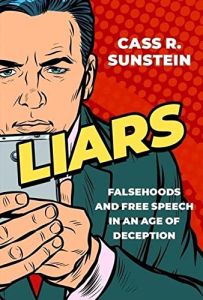
Legal scholar Cass R. Sunstein wisely notes that America’s freedom of speech never has been absolute. Perjury, false advertising and other types of untruths are illegal. He argues that courts can and should remove First Amendment protection for harmful falsehoods, such as so-called deepfake videos and images of public figures that liars create by harnessing artificial intelligence. Misinformation has become ubiquitous as false statements proliferate online, particularly on Facebook, Twitter and other social media platforms. Widespread falsehoods about government officials and agencies generate negative consequences, Sunstein writes, and endanger democratic self-government.
Summary
About the Author
Cass R. Sunstein, the Robert Wesley University professor at Harvard University, founded and directs the Program on Behavioral Economics and Public Policy at Harvard Law School. His other books include How Change Happens and Too Much Information.

Comment on this summary