Зарегистрируйтесь на getAbstract, чтобы получить доступ к этому краткому изложению.

Building a Coaching Culture

Зарегистрируйтесь на getAbstract, чтобы получить доступ к этому краткому изложению.
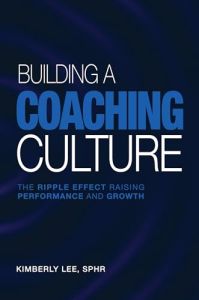
Building a Coaching Culture

The Ripple Effect Raising Performance and Growth

BEP,

15 мин на чтение
8 основных идей
Аудио и текст

Что внутри?

Coaching employees to develop their potential produces ripple effects that benefit teams and entire organizations.


Editorial Rating

8

getAbstract Rating

  • Applicable
  • Overview
  • Concrete Examples

Recommendation

The ability to recognize, develop, and support individual employees’ potential is a skill anyone can learn. In this concise book packed with practical information, HR consultant Kimberly Lee teaches frontline managers, HR leaders, and executives how to coach their employees. She pays special attention to helping people thrive in times of uncertainty and innovation and shows you how to adapt your coaching style to meet individual, generational, and cultural differences. Lee assures you that coaching will produce ripple effects throughout your organization as small habits that support others become the cultural norm.

Summary

Coaching is a learnable skill you can use to help people develop their potential.

When you coach people, you don’t tell them what to do — you help them discover their own solutions. Instead of jumping in with answers when people come to you with challenges, be an active listener: Don’t interrupt, maintain eye contact, and use brief responses like “uh-huh” or “got it.” Ask questions to help clarify what people mean or get more specific information about challenges they’re facing. Sum up what you’ve heard so they know you’ve understood. Acknowledge their emotions by using phrases such as “that sounds like a frustrating situation.”

Once you’ve unpacked the problem, ask open-ended questions that empower them to discover solutions. Use “what” and “how” questions to inquire about approaches they’ve already used, or possibilities they might try. For example, you might ask, “How would you deal with this if you were starting from scratch?” If they’re trying to set or reach goals or develop new skills, ask questions that help them describe what they think success would look like, define the support they would need to get there, or identify initial steps they could take.

About the Author

As a Senior Professional in Human Resources (SPHR), consultant Kimberly Lee coaches organizations through times of change and teaches courses through HackingHR.


Comment on this summary

More on this topic

Related Skills

Трансформация ИИ
Будьте креативны
Будьте эмоционально интеллигентны
Станьте более адаптируемым
Общайтесь эффективно
Разработка инновационных продуктов
Развивайте членов команды
Ускорить трансформацию искусственного интеллекта
Повышение эффективности работы команды
Предпринимательство
Отдел кадров
Руководить этично
Руководите собой
Лидерство
Использование искусственного интеллекта в HR
Использование искусственного интеллекта для лидерства
Управление изменениями
Управление обучением и развитием
Управление
Овладейте навыками межличностного общения
Преодолевать трудности лидерства
Личностный рост
Мягкие навыки
Навыки работы на рабочем месте
Внедрение программ коучинга
Практикуйте служивое лидерство
Руководить инклюзивно
Практика трансформационного лидерства
Использование искусственного интеллекта для обучения и развития
Проявляйте сочувствие и сострадание
Поборник новых идей
Воспитывайте любознательность
Формирование командной культуры
Поощряйте творчество
Общайтесь открыто
Практика смирения
Повышайте свою культурную осведомленность
Лидерство через изменения
Направляйте команды в процессе перехода на ИИ
Поощряйте культуру обучения
Быть наставником
Понимание культурных различий
Обеспечьте внедрение ИИ в коллективах
Пропаганда терпимости к неудачам
Развивайте мышление роста
Общаться в разных культурах
Инновации
Тренировать людей
Использование ИИ для коучинга и развития
Поддерживайте культуру инноваций
Поощряйте эксперименты