
Зарегистрируйтесь на getAbstract, чтобы получить доступ к этому краткому изложению.
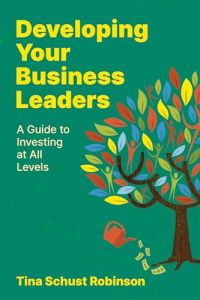
Зарегистрируйтесь на getAbstract, чтобы получить доступ к этому краткому изложению.
Tina Schust Robinson
Developing Your Business Leaders
A Guide to Investing at All Levels
ATD (Association for Talent Development), 2026
Что внутри?
Treat leadership development as a strategic investment — and embed it throughout the talent life cycle.


Доступность краткого изложения по регионам: весь мир
Recommendation
Most organizations invest in leadership coaching and training, but these programs often fail to translate into meaningful business results. Leadership strategist and coach Tina Schust Robinson argues that this is because organizations neglect an essential step: grounding leadership development in the organization’s specific context and goals. Robinson recommends treating leadership development as a disciplined strategic investment that aligns with and supports business priorities. She offers an accessible, actionable field guide to making leadership development a driver of organizational performance.
Summary
About the Author
Tina Schust Robinson is an executive coach and leadership strategist. She’s the founder and CEO of Workjoy, a training and coaching consultancy.
Learners who read this summary also read
Related Skills











Comment on this summary