



Right-click on the code to copy the image.
Note: On an ASP portal, the link behind the code is portal specific!
Recommendation
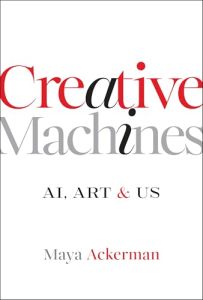
A decade before AI hit the mainstream, Maya Ackerman — a professor of computer science and passionate musician — was exploring ways creative machines could inspire people to become better creators. In this thought-provoking book, she shares insights into how humans can partner with “humble creative machines” — those that empower humans rather than doing the work for them — to take their own creativity to new heights. She also uses her experience as the CEO of a generative AI company to advise developers on how to build AI tools that keep users coming back.
Summary
About the Author
Maya Ackerman is an assistant professor of computer science and engineering at Santa Clara University, specializing in AI and creativity. She’s co-founder and CEO of WaveAI, a maker of creative machines for songwriters.
Related Skills

人工智能转型,实施基于人工智能的流程优化,跨部门整合人工智能解决方案,评估企业采用人工智能的准备情况

开发创新产品

创业

培养创新文化

利用人工智能进行产品开发,识别产品创作的人工智能工具,将人工智能整合到产品生命周期中,利用人工智能洞

在日常任务中利用人工智能,将人工智能工具整合到工作流程中,使用人工智能自动化重复性任务,利用人工智能

个人成长

理解人工智能,向同事解释基本的人工智能概念,区分人工智能与传统软件解决方案,总结人工智能在现代工作场

职场技能

创新

创造性协作

生成创意

推动创造力

了解生成性人工智能,识别生成性人工智能机会,探索生成性人工智能的应用,生成性人工智能在商业中的案例研

利用人工智能生成创意,使用人工智能工具进行头脑风暴,利用人工智能算法增强创造力,利用人工智能生成新产

发挥创意

拥抱发散性思维

Comment on this summary