
跳过导航
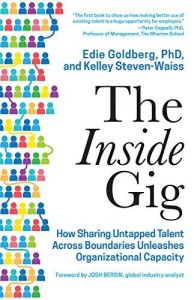
The Inside Gig
Book

The Inside Gig

How Sharing Untapped Talent Across Boundaries Unleashes Organizational Capacity

Life Tree Media, 2020 更多详情

Buy the book


Editorial Rating

9

getAbstract Rating

  • Applicable
  • Well Structured
  • Concrete Examples

Recommendation

Managers tend to assess people’s skills by looking at their current roles and jobs titles. However, employees have additional skills and passions they want to use, and which you can leverage. Human resources and change management experts Edie Goldberg and Kelley Steven-Waiss provide detailed examples, drawn from companies in various industries, to help illustrate six core principles organizations can use to tap into employees’ skills. By leveraging your current workforce in new ways, you can create an agile organization, able to adapt to the fast-changing forces of the new digital economy.

Summary

Instead of recruiting externally to fill skill gaps, companies should learn to recognize and leverage the talent they have within.

Technology brings disruption to all sectors of the workforce. However, human resource (HR) departments continue to use traditional, outdated tools and policies to recruit and oversee the company workforce. Leaders must consider new approaches to meet the challenges of an environment that continually presents new technologies and demands new skills of workers.

Employees bring previous experiences and outside interests to a job. Job titles alone don’t reflect the full range of their skills. For example, an employee who studied engineering but now works in marketing will retain relevant expertise that could benefit the company. Yet, many companies assign jobs based solely on people’s current job profiles. Freelance platforms, by contrast, list candidates’ skills and talents so that companies can match them to specific projects. By adopting a similar approach, companies can replicate the gig economy internally.

Six core principles underpin the Inside Gig talent model which helps organizations use existing...

About the Authors

Edie Goldberg, PhD, is a nationally recognized expert in talent management and organization development who focuses on designing HR processes to attract, engage and retain employees. Kelley Steven-Waiss – the former chief human resource manager of HERE Technologies – is the founder and CEO of Hitch Works, a cloud-based talent mobility platform.


Comment on this summary

More on this topic

Related Skills

推进职业发展
AI Transformation
提升情商
提高工作效率
建立自信
职业发展
有效沟通
发展组织
数字化转型
Enhance Cybersecurity
创业
Execute Digital Operations
战略性创新
以德领导
战略性领导
Leverage AI for Leadership
Leverage AI in Your Daily Tasks
Manage Learning and Development
管理产品创新
管理员工薪酬
Navigate Leadership Challenges
个人成长
制定销售计划和战略
制定战略规划
规划职业生涯
促进多样性、公平与包容
销售
软技能
增强数字素养
Understand AI
理解创新
理解组织运作
职场技能
发挥创意
Build Security Culture
开发创新产品
Use AI with Company Knowledge
提升组织绩效
推动项目管理
领导远程或混合团队
Use AI for Learning & Development
设计激励结构
管理知识资本
实施敏捷管理
优化劳动力绩效
Understand AI Impact on Work
Work Remotely
拥抱变革
高效分配任务
促进性别包容
倡导新创意
Foster Team Culture
迎新培训
创造性协作
创新
利用双元性管理
管理团队边界
塑造组织文化
支持团队成员的职业发展
透明沟通
增强团队敏捷性
促进讨论
管理项目资源
管理销售团队
Use AI for Coaching and Development
建立心理安全感
Drive AI Transformation
利用员工资源小组
精通数字工具
换位思考
营造归属感
引领运营规划
领导力
推动创造力
建立雇主品牌
配置资源
应对不确定性
提高文化意识
领导自我
拥抱发散性思维
促进代际包容
Strengthen Team Collaboration
鼓励实验精神
促进协作
提升员工体验
Enable Digital Organization
Guide Teams Through AI Transition
利用学习与发展技术
精简工作流程
应用开放创新
建立团队凝聚力
人力资源
提供灵活工作安排
包容性领导
实践服务型领导
应用敏捷开发 (Scrum)
从事企业内部创业
促进开放沟通
推动员工参与度
从事职业塑造
利用社交学习
Use AI for Learning and Upskilling
Use AI for Resource Planning
管理员工才能
精通协作
建立包容性文化
支持他人
Build Digital Culture
培养灵活性
Drive AI Adoption in Teams
Leverage AI for HR
识别自身优势
Plan AI Workforce Transformation
制定招聘策略
未来技能
支持内部流动
理解组织变革
管理
评估技能组合
推动产品开发
Drive Team Performance
Leverage AI for Management
Practice Transformational Leadership
理解学习
招聘多元化人才
优化资源利用
发挥自身优势
管理团队和部门
Develop Team Members
技术对工作的影响
培养他人责任感
定义角色
Use AI for Talent Sourcing
利用人力资源技术
Manage People and Talent
成为自驱学习者
新兴工作技术
跨部门协作
Organize for AI
以非权威之力推动变革
培养成长型思维
促进小组创意
高管领导力
追求终身学习
吸引和招聘人才
提升员工技能和知识
未来工作
Use AI for Workforce Planning
管理变革
战略性安置人才
识别技能差距
新型工作模式
Use AI for Skills Matching
变得更加适应变化
培养创新文化
变革中领导
养成学习习惯
推动学习文化