跳过导航
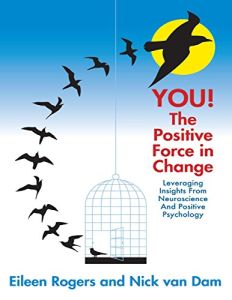
You! The Positive Force In Change
Book

You! The Positive Force In Change

Leveraging Insights from Neuroscience and Positive Psychology

LULU Publishing, 2015 更多详情

Buy the book


Editorial Rating

8

getAbstract Rating

  • Innovative
  • Applicable

Recommendation

The human brain is wired to resist change. Leadership experts Eileen Rogers and Nick van Dam cite its reaction to change, the “fear factor,” as a root cause of organizational and personal failure. They advocate using a positive, evidence-based approach to management as an empathetic alternative to old-style authoritarianism. This strategy can help managers allay the fear of change that locks people in place and prevents them from considering important issues logically. The process of neuroplasticity helps the brain form the new connections people need to deal with novel situations, but it works best amid “mindful” calmness. A negative state of mind is contagious and breeds inflexibility, but positivity can help leaders and their employees handle change. Although the book refers to many touchstone findings in brief, and moves quickly on, the need to lead with optimism and emotional inclusion emerges as its main message. getAbstract suggests the authors’ insights and methods to progressive managers making the transition to a more consultative, “emotionally intelligent” approach to leading change.

Summary

Leadership for Meaning and Purpose

Leaders can harness insights from neuroscience and psychology to broaden the meaning of work and to make it more fulfilling for their employees. Leaders need flexibility, positivity and understanding to prevent demotivation from blighting their workforce. If they discuss change openly, positively and inclusively, leaders can prevent fear and disruption. They should channel their “moments of leadership” both for their firm’s good and for social good. Businesses must act differently in the 21st century; leading-edge management now includes such concepts as “not just for profit” and “ethical capitalism.”

Modern cognitive science is quickly taking apart old “command and control” approaches to management. Leaders tend to be either “dissonant” or “resonant,” according to organizational theorist Richard Boyatzis. Old-style rigid leadership is dissonant and top-down; modern consultative, empathetic leadership is resonant. Emotional intelligence is central to resonant leadership. Good leaders recognize that the hierarchical work structures of the 20th century are unsustainable. In light of modern insights about what really motivates people...

About the Authors

Eileen Rogers is founder and CEO of the LeadershipSigma consultancy. Nick van Dam is McKinsey & Company’s global chief learning officer.


Comment on this summary

  • Avatar
  • Avatar
    C. L. 2 years ago
    good content and a truly interesting approach
  • Avatar
    W. W. 2 years ago
    Great stuff, relate with current dynamic changes
  • Avatar
    J. A. 2 years ago
    good stuff

More on this topic

Related Skills

推进职业发展
AI Transformation
变得更加适应变化
建立自信
职业发展
有效沟通
开发创新产品
Develop Team Members
发展组织
数字化转型
未来工作
Drive Team Performance
创业
Execute Digital Operations
人力资源
战略性创新
以德领导
Manage Learning and Development
管理
精通协作
个人成长
理解创新
理解组织运作
职场技能
提升员工体验
战略性领导
精通人际关系技巧
保持工作与生活平衡
Leverage AI for Management
理解动机
培养积极心态
勇于脆弱
克服挑战
培养自律意识
发展自我掌控力
设定边界
发展思维能力
建立心理安全感
了解自我
软技能
应对不确定性
寻找人生目标
培养好奇心
寻找意义
从事企业内部创业
Use AI for Coaching and Development
提升韧性
应用设计思维
发展自我意识
新兴领导方法
实践服务型领导
提出问题
赢得他人信任
促进容错文化
Strengthen Team Collaboration
Foster Team Culture
Guide Teams Through AI Transition
理解领导方式
Navigate Leadership Challenges
实施敏捷管理
培养成长型思维
推动创造力
鼓励实验精神
发挥自身优势
健康生活
有意图地生活
影响他人
理解组织变革
促进协作
领导自我
拥抱发散性思维
培养团队成员
创造性协作
以非权威之力推动变革
提升情商
挑战假设
Leverage AI for Leadership
倡导新创意
变革中领导
发挥创意
Practice Transformational Leadership
利用双元性管理
管理领导影响力
塑造组织文化
提高工作效率
高管领导力
拥抱变革
识别自身优势
领导力
Manage People and Talent
培养创新文化
管理变革
提升专注力
促进小组创意
管理压力
创新
管理情绪
建立和维护福祉
改善心理健康
练习正念