
Melden Sie sich bei getAbstract an, um die Zusammenfassung zu erhalten.
Melden Sie sich bei getAbstract an, um die Zusammenfassung zu erhalten.
Oliver Sweet
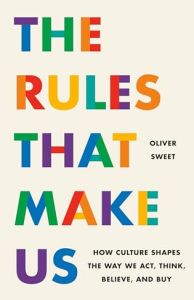
The Rules That Make Us
How Culture Shapes the Way We Act, Think, Believe, and Buy
Basic Venture, 2026
Was ist drin?
Culture shapes far more of human behavior than most people realize.


Zusammenfassung verfügbar: weltweit, außer in Antigua and Barbuda, Australia, Bahamas, Bangladesh, Barbados, Belize, Botswana, Brunei Darussalam, Cameroon, Canada, Cyprus, Dominica, Fiji, Gambia, Ghana, Grenada, Guyana, India, Jamaica, Kenya, Kiribati, Lesotho, Malawi, Malaysia, Maldives, Malta, Mauritius, Mozambique, Namibia, Nauru, New Zealand, Nigeria, Pakistan, Papua New Guinea, Saint Kitts and Nevis, Saint Lucia, Saint Vincent and the Grenadines, Samoa, Seychelles, Sierra Leone, Singapore, Solomon Islands, South Africa, Sri Lanka, Swaziland, Tanzania, United Republic of, Tonga, Trinidad and Tobago, Tuvalu, Uganda, United Kingdom, Vanuatu, Zambia
Recommendation
To understand human behavior, it’s necessary to examine how culture — the environment in which people live — shapes their thoughts, beliefs, and actions, including how they spend their time and money. In this engaging read, business anthropologist Oliver Sweet explores how often-subtle cultural rules govern everyday life and why brands often fail to woo consumers when they ignore those norms. Citing examples from around the world, including tea rituals and the forces behind Brexit, Sweet offers a clear, wide-ranging, and deeply relevant perspective on human behavior and belonging.
Summary
About the Author
Oliver Sweet is a business anthropologist currently serving as head of ethnography at the research agency Ipsos.

Comment on this summary