
Зарегистрируйтесь на getAbstract, чтобы получить доступ к этому краткому изложению.
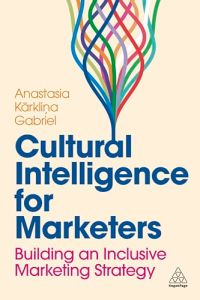
Зарегистрируйтесь на getAbstract, чтобы получить доступ к этому краткому изложению.
Anastasia Gabriel
Cultural Intelligence for Marketers
Building an Inclusive Marketing Strategy
Kogan Page, 2024
Что внутри?
Marketers must take responsibility for the role they play in shaping culture and make mindset shifts to stay competitive.


Summary availability: Worldwide
Recommendation
If you’re a marketer who thinks your job only centers around selling products, it’s time for a mindset shift, cultural foresight expert Anastasia Kārkliņa Gabriel says. Marketers must start acknowledging the powerful role they play in shaping culture. Gain strategic insights into how to inspire a meaningful two-way discourse between your brand and its target audience. By rethinking the relationship between marketers and audiences and mastering the skill of cultural intelligence, you can supercharge your targeting and brand loyalty strategies.
Summary
About the Author
Anastasia Kārkliņa Gabriel is an expert in cultural foresight. She has a cultural studies PhD from Duke University and previously worked as Reddit’s senior lead in insights. She’s also served as a consultant for brands ranging from Nike to American Express.
Learners who read this summary also read
Related Skills














Comment on this summary