跳过导航
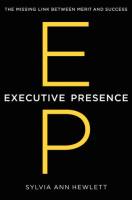
Executive Presence
Book

Executive Presence

The Missing Link Between Merit and Success

HarperBusiness, 2014 更多详情

Buy the book


Editorial Rating

7

getAbstract Rating

  • Applicable
  • Well Structured
  • For Beginners

Recommendation

In the words of one Wall Street CEO, “I can’t describe it, but I sure know it when I see it.” Most people intuitively recognize “executive presence” (EP). It’s a rare combination of vision, charisma, drive and intelligence that marks great leaders. Workplace expert Sylvia Ann Hewlett breaks EP into its three parts – “gravitas, communication and appearance” – and reveals the secrets to attaining all three. Hewlett’s guide is chock-full of examples set by impressive leaders, and she outlines blunders to avoid and strategies to get ahead. getAbstract recommends her insights and tactics to anyone aspiring to or currently holding a leadership position.

Summary

“Executive Presence”

What makes for dynamic, engaging and effective leaders? Being able to convey that you’re in charge – just by walking into a room – requires a unique blend of self-possession, charm and authenticity. This is executive presence (EP), and great leaders, such as US president Barack Obama and the late British prime minister Margaret Thatcher, have it, as does actress Angelina Jolie, Facebook’s Sheryl Sandberg, Virgin’s Richard Branson and Olympic sprinter Usain Bolt. Executive presence isn’t something you’re necessarily born with, but you can develop it.

The author’s research firm, the Center for Talent Innovation, conducted several studies, including focus groups, interviews and an extensive national survey to identify the qualities that make up executive presence. The three elements of EP, while not of equal weight, remain consistent across different fields and contexts. They are:

1. “Gravitas – How You Act”

About two-thirds of the senior executives surveyed rated gravitas as the most important ingredient in EP. Every great leader has gravitas. After the 2010 BP oil spill in the Gulf of Mexico, BP managing director Bob Dudley projected...

About the Author

Sylvia Ann Hewlett, an expert in gender and workplace issues, founded the Center for Talent Innovation think tank and wrote Off Ramps and On Ramps and Winning the War for Talent in Emerging Markets.


Comment on this summary

  • Avatar
  • Avatar
    E. L. 2 months ago
    Thank you. It's very useful.
  • Avatar
    S. L. 2 months ago
    Thank you. It's very useful.
  • Avatar
    J. C. 1 decade ago
    Good information, succint.

More on this topic

Related Skills

Advance Your Career
Be Emotionally Intelligent
Become a Self-Driven Learner
Become More Adaptable
Build and Maintain Well-Being
Career
Convert Prospects
Develop Team Members
Drive Team Performance
Enhance Customer Experience
Foster a Culture of Innovation
Foster Team Culture
Human Resources
Innovation
Lead Ethically
Lead Strategically
Manage Corporate Communications
Manage Performance
Manage Teams and Departments
Management
Marketing
Master Collaboration
Optimize Workforce Performance
Personal Growth
Promote Diversity, Equity, and Inclusion
Sales
Strengthen Team Collaboration
Understand Organizations
Workplace Skills
Lead Inclusively
Integrate Customer Feedback
Communicate with Stakeholders
Facilitate Discussions
Manage Crisis Communication
Listen Well
Motivate Your Team
Practice Servant Leadership
Understand Cultural Differences
Navigate Leadership Challenges
Promote Gender Inclusion
Conduct Performance Reviews
Manage Public Relations
Communicate Across Cultures
Influence Others
Manage People and Talent
Manage Up
Understand Leadership Approaches
Deal with Difficult People
Practice Transformational Leadership
Take Personal Accountability
Dare to be Vulnerable
Manage Your Leadership Impact
Build Prospect Rapport
Advance as a Woman Leader
Understand Microaggressions
Persuade Effectively
Champion Diversity
Soft Skills
Increase Your Cultural Awareness
Show Empathy and Compassion
Leadership
Lead Yourself
Manage Your Emotions
Navigate Workplace Culture
Understand Yourself
Understand Communication
Master Interpersonal Skills
Take Other Perspectives
Master Business Etiquette
Executive Leadership
Become a Mentee
Cultivate a Growth Mindset
Navigate Office Politics
Communicate Strategically
Build Psychological Safety
Communicate Clearly
Build Confidence
Excel at Conversations
Present in Person
Be Authentic
Support Others
Adapt Communication Style
Manage Your Personal Reputation
Become an Ally to Minority Team Members
Navigate Difficult Conversations
Communicate Non-Verbally
Build Your Presence
Develop Self-Awareness
Navigate Career as a Woman
Master Public Speaking
Communicate Effectively
Be Coachable
Learn from Feedback
Practice Humility
Provide Feedback