Skip navigation
Working GlobeSmart
Book

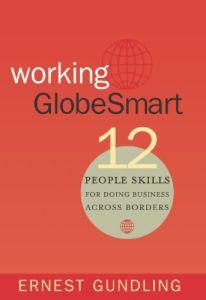
Working GlobeSmart

12 People Skills for Doing Business Across Borders

Davies-Black Publishing, 2003 more...

Buy the book


Editorial Rating

9

getAbstract Rating

  • Innovative
  • Applicable

Recommendation

This basic, solid book on global business takes nothing for granted. Author Ernest Gundling teaches by example and illustration, and has something approaching a horror of direct statement. At the end of each chapter, where a bolder writer might insert points to remember, he provides, instead, lists of questions to consider. This book will tell you the skills you need and will make you very aware of your deficits, but it will not tell you precisely how to develop those skills. Gundling does provide a wealth of little, fictitious anecdotes about people who have done the right or wrong thing in global business. In a refreshingly humble approach, he sometimes uses his own blunders as examples of what not to do. getAbstract.com recommends his book, which brings to mind that Socrates was judged the wisest of men because he knew he knew nothing. Readers will come a few steps closer to such Socratic enlightenment. What you may not know about conducting yourself in international business would fill a book - this one.

Summary

What You Need to Know

Twelve people-related skills are indispensable to success in global business. These essential people skills, also called competencies, fall into three categories. They are:

  • Interpersonal skills - Credibility, feedback, information gathering and evaluation.
  • Group skills - Global team-building, training, sales and negotiation.
  • Organizational skills - Strategy, knowledge transfer, innovation and change management.

Mastery of these people skills is fundamental in the craft of global business leadership. Many challenges await the businessperson who sets foot - whether physical or virtual - on alien soil. Indeed, foreign shores may be as close as the computer monitor where you receive e-mail messages from global teammates in a cross-border corporate project. Language and cultural differences make it more difficult to communicate clearly. People expect and assume divergent things, and it is harder to figure out what their expectations and assumptions are. You may not recognize feedback when you get it and, even in person, you may not realize that you are communicating unintended messages with your tone of voice, phrasing...

About the Author

Ernest Gundling, Ph.D., co-founder and managing director of Meridian Resources Associates, Inc., is the author of The 3M Way to Innovation. He lectures at the Haas School of Business at the University of California, Berkeley.


Comment on this summary

More on this topic

Related Skills

Advance Your Career
Attract and Recruit Talent
Be Emotionally Intelligent
Become a Self-Driven Learner
Career
Convert Prospects
Develop the Organization
Develop Your Thinking Skills
Digital Transformation
Markets in India
Future of Work
Drive Team Performance
Enhance Customer Experience
Enhance Employee Experience
Execute Digital Operations
Human Resources
Lead Ethically
Lead Operational Planning
Lead Yourself
Manage Performance
Manage Teams and Departments
Management
Market Insights by Region
Marketing
Navigate Leadership Challenges
Optimize Workforce Performance
Personal Growth
Place Talent Strategically
Plan and Strategize Your Sales
Plan Your Career
Promote Diversity, Equity, and Inclusion
Search for a Job
Strengthen Your Digital Literacy
Sustainability
Workplace Skills
Foster Open Communication
Collaborate Creatively
Markets in Asia
Understand Communication
Work Abroad
Enhance Team Agility
Build Confidence
Master Negotiation
Understand Organizational Behavior
Understand Organizations
Understand Personality Types
Be Coachable
Conduct Candidate Interviews
Future Skills
Master Collaboration
Facilitate Group Ideation
Leadership
Navigate Difficult Conversations
Recognize Social Cues
Do Business in India
Innovate Business Models
Adapt Communication Style
Ask Questions
Foster Collaboration
Navigate Office Politics
Build Psychological Safety
Entrepreneurship
Support Others
Develop Self-Awareness
Implement Agility
Navigate Workplace Culture
Communicate Across Cultures
Communicate Effectively
Communicate Strategically
Develop Team Members
Influence Others
Promote Creativity
Succeed in a New Job
Identify Skills Gaps
Increase Your Cultural Awareness
Practice Servant Leadership
Set Performance Standards
Understand Social Behavior
Assess Your Skillset
Executive Leadership
Negotiate Job Offers
Dare to be Vulnerable
Generate Ideas
Motivate Your Team
Persuade Effectively
Manage Sales Teams
Understand Human Behavior
Create a Sense of Belonging
Embrace Change
Shape Organizational Culture
Master Interpersonal Skills
Practice Humility
Sales
Manage Product Innovation
Do Business in Asia
Challenges in India
Master B2B Sales
Collaborate Virtually
Build Prospect Rapport
Build Team Cohesion
Cultivate Flexibility
Discover Innovation Case Studies
Integrate Customer Feedback
Understand Cultural Differences
Become More Adaptable
Champion New Ideas
Evaluate Candidates
Translate Strategy into Action
Be Authentic
Develop Innovative Products
Manage Change
Learn from Feedback
Lead Remote or Hybrid Teams
Master Business Etiquette
Soft Skills
Plan Strategically
Foster Team Culture
Manage Your Personal Reputation
Manage People and Talent
Be Creative
Understand Team Dynamics
Drive Sustainable Innovation
Leverage Ambidexterity
Apply Open Innovation
Understand Organizational Change
Think Strategically
Build Your Presence
Provide Feedback
Discover Global Perspectives
Organize Innovation
Manage Organizational Knowledge
Foster a Culture of Innovation
Engage in Intrapreneurship
Strengthen Team Collaboration
Gain People's Trust
Conduct Performance Reviews
Innovate Strategically
Understand Organizational Culture
Communicate Non-Verbally
Lead Strategically
Understand Innovation
Evaluate Employees
Innovation