
Únete a getAbstract para acceder al resumen.
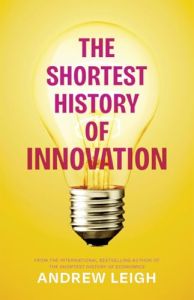
Únete a getAbstract para acceder al resumen.
Andrew Leigh
The Shortest History of Innovation
Black Inc., 2026
¿De qué se trata?
Experimenting, collaborating, and idea-sharing have enabled innovation from ancient times to the digital age.


Disponibilité du résumé : mondiale
Recommendation
Contrary to popular mythology, groundbreaking innovations rarely emerge from one individual’s sudden flash of inspiration. In this engaging read, economist Andrew Leigh offers a sweeping overview of the history of innovation, from ancient developments in agriculture to the mechanical wonders of the Industrial Revolution, to the rapid technological advancements of the digital age. Throughout, Leigh emphasizes the importance of experimentation, teamwork, and the exchange of ideas — strategies innovators still use today. His anecdotes and humor will appeal to anyone seeking inspiration to innovate.
Summary
About the Author
Former professor of economics Andrew Leigh is a member of the Australian parliament and also wrote The Shortest History of Economics.






Comment on this summary