Зарегистрируйтесь на getAbstract, чтобы получить доступ к этому краткому изложению.

Emotionally Charged

Зарегистрируйтесь на getAbstract, чтобы получить доступ к этому краткому изложению.
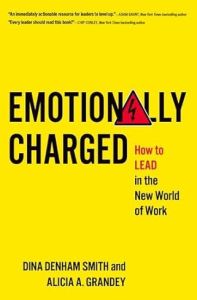
Emotionally Charged

How to Lead in the New World of Work

Oxford UP,

15 мин на чтение
8 основных идей
Аудио и текст

Что внутри?

“Work is emotional because work matters.”


Editorial Rating

9

getAbstract Rating

  • Applicable
  • Concrete Examples
  • Engaging

Recommendation

Leaders generally discourage emotions at work, insisting that feelings and logic are incompatible. But research says otherwise, because emotions inform decisions and shape interactions. As people seek meaningful work, they need leaders who can engage emotionally. To prioritize engagement while maintaining a budget, leaders must understand “emotional labor,” the value of emotions at work, and the health costs of suppressing emotions. Amid intrusive technolgy and the tensions around DEI, leaders must be empathetic and authentic. To respond to that need, leadership experts Dina Denham Smith and Alicia Grandey provide emotion-related tools that can help foster better workplace relations and enhance employees’ well-being. 

Summary

Today’s workplace requires leaders with advanced emotional skills.

Employees now have more options regarding where they work, whether remotely, in-office, or hybrid. One reason is that the COVID-19 pandemic caused a seismic shift in how people work, creating both opportunities and challenges for leaders and workers. New technologies are another factor. Now, people can determine not only where they work, but also with whom they work, why they work and why their work matters. In response to these evolving levels of employee self-determination, leaders must develop nuanced emotional capabilities.

Employees who feel disengaged from their work or who are experiencing historically high levels of stress turn to their managers and leaders for guidance. In response, these leaders must be able to handle fraught emotional engagements – provide critical feedback, resolve conflicts, manage employee frustration, and give pep talks that really boost morale. They have twin roles: they must inspire, but also be pragmatic. They must show both confidence and humility. And, they must care about their people while prioritizing business results.

Misconceptions about emotions undervalue...

About the Authors

Dina Denham Smith is the founder and CEO of Cognitas. Alicia A. Grandey, PhD, is a professor in Pennsylvania State University’s industrial-organizational psychology program.


Comment on this summary

More on this topic

Related Skills

Мягкие навыки
Будьте эмоционально интеллигентны
Формирование командной культуры
Трансформация ИИ
Общайтесь эффективно
Будущее работы
Поддерживайте культуру инноваций
Отдел кадров
Инновации
Управление отношениями с сотрудниками
Мастер совместной работы
Овладейте навыками межличностного общения
Преодолевать трудности лидерства
Личностный рост
Содействие многообразию, равноправию и инклюзивности
Понять искусственный интеллект
Навыки работы на рабочем месте
Понять эмоции
Работайте удаленно
Практикуйте заботу о себе
Создание и поддержание благополучия
Жить хорошо
Урегулируйте конфликты
Справляйтесь с трудными людьми
Руководите собой
Понимание влияния ИИ на работу
Улучшите свое психическое здоровье
Новые технологии работы
Лидерство
Проявляйте сочувствие и сострадание
Вести сложные разговоры
Влияние технологий на работу
Управляйте своими эмоциями