Saltar la navegación
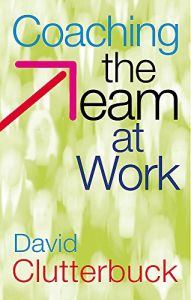
Coaching the Team at Work
Book

Coaching the Team at Work

Nicholas Brealey Publishing, 2007 más...

Buy the book


Editorial Rating

7

getAbstract Rating

  • Applicable

Recommendation

Coaching is a complex and, at times, slippery concept. Is it teaching? Encouragement? Therapy? Leading? The answer is always, “It depends.” David Clutterbuck does a fine job of explaining in detail just what it depends upon. He combines an impressive array of research and experiential accounts into an overview of the topic. He starts with coaching in general, then focuses on the even more complex process of coaching a team. Clutterbuck is clear and honest. He makes a point of identifying where different approaches to coaching clash and, more generally, explaining what is and isn’t known about team coaching. He includes many models and metaphors for coaching, and often presents his key points in list and table form. As a result, getAbstract suggests his book to anyone who is responsible for coaching teams, and to those who must lead teams or serve on them. The main weakness of the book is a corollary of its strengths: Clutterbuck works so hard to include all major coaching models and perspectives that the reader may have to do some sorting.

Summary

Your Job as a Coach

The word “coach” is related to the word “coax”; that kinship points out some of the meaning of the word. To coach is to bring out possibilities in others that they have not yet realized. As a coach, you will work in a fairly “formal relationship” to help employees develop a greater understanding of what they’re doing. You might help people reach their goals, either through assisting them in developing skills or offering them emotional support, or both. Coaches guide individuals and groups through business experiences as they learn to ask better questions of themselves and others. Coaches work according to one of two broad models:

  1. “Traditional” coaching – The coach helps learners define and reach their goals, much like a sports coach working with athletes. Both agree on what each learner needs to do to achieve his or her goals, and the coach tracks the process and shares feedback.
  2. “Developmental” coaching – This approach is rooted in Socratic questioning, using open-ended inquiries to motivate learners and help them examine their own performances.

Coaches offer...

About the Author

David Clutterbuck, a coach, mentor and consultant for 25 years, has written nearly 50 books and hundreds of articles. The former New Scientist news editor and “serial entrepreneur” is also a university lecturer in England.



Comment on this summary

  • Avatar
  • Avatar
    T. G. 3 weeks ago
    The summary contains all information needed
  • Avatar
    E. B. 7 months ago
    This great - good for refresher.
  • Avatar
    N. B. 3 years ago
    Excellent Keep it up!!!

More on this topic

Related Skills

AI Transformation
Become More Adaptable
Drive AI Transformation
Foster a Culture of Innovation
Human Resources
Innovation
Lead Ethically
Leverage AI for Leadership
Manage Learning and Development
Management
Personal Growth
Plan and Strategize Your Sales
Sales
Shape Organizational Culture
Strengthen Your Digital Literacy
Workplace Skills
Work Remotely
Develop Team Members
Foster Collaboration
Collaborate Virtually
Delegate Effectively
Manage Teams and Departments
Understand Team Dynamics
Navigate Office Politics
Foster Ownership in Others
Lead Inclusively
Leverage AI for Management
Soft Skills
Support Others
Practice Servant Leadership
Become a Self-Driven Learner
Set Team Goals
Be Emotionally Intelligent
Executive Leadership
Drive Change Without Authority
Ensure Accountability in Teams
Manage People and Talent
Build Team Cohesion
Practice Transformational Leadership
Facilitate Group Ideation
Support Team Members’ Careers
Lead Yourself
Manage Sales Teams
Enhance Team Agility
Motivate Your Team
Drive AI Adoption in Teams
Improve Team Performance
Manage Team Communication
Manage Your Leadership Impact
Lead through Change
Manage Change
Drive Team Performance
Build Psychological Safety
Cultivate a Growth Mindset
Facilitate Discussions
Master Collaboration
Strengthen Team Collaboration
Manage Team Boundaries
Mentor Employees
Leadership
Guide Teams Through AI Transition
Foster Team Culture
Lead Remote or Hybrid Teams
Leverage Social Learning
Implement Executive Coaching
Navigate Leadership Challenges
Implement Coaching Programs
Promote a Learning Culture
Coach People