Skip navigation
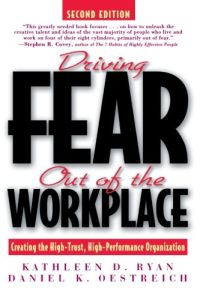
Driving Fear Out of the Workplace
Book

Driving Fear Out of the Workplace

Creating the High-Trust, High-Performance Organization

Jossey-Bass, 1998 more...

Buy the book


Editorial Rating

9

getAbstract Rating

  • Innovative
  • Applicable

Recommendation

Many modern managers unconsciously evoke fear to get results from their subordinates. Kathleen D. Ryan and Daniel K. Oestreich build on their consulting work and 260 interviews with staff members across organizational levels and industries to show how fear pervades the modern workplace and why it’s problematic. Powerful first-person vignettes from their fieldwork demonstrate how fear can motivate short-term results but erode trust and undermine productivity in the long term. Plenty of legitimate anxieties arise in the office, but this incisive primer will help you spot the subtle ways your organization might be adding to them by creating a harmful backdrop of fear. Managers will find this manual’s clear organization and detailed steps practical and helpful. As anxiety-inducing corporate changes grow more common and as workplace hierarchies flatten, this book’s advice has only become more relevant since its classic first edition. getAbstract recommends this eye-opening guide to any manager willing to take the challenging steps toward creating a healthier workplace environment.

Summary

Spotting Fear

Fear is a natural part of the human experience. In the workplace, rational anxieties about urgent business or looming changes are typical aspects of everyday life. However, when fear inhibits people from speaking up about new ideas, concerns or frustrations, it harms organizations in significant, unseen ways. Fear may motivate short-term results, but it corrodes trust within a company and limits employees’ potential in the long term.

In many organizations, fear operates in the background; feared issues are off-limits for discussion. Seemingly minor fears take on symbolic, outsize proportions and spread rapidly. Employees mainly manifest fear in their reluctance to speak up – a silent protest – so assessing the extent of fear is difficult. Fear is an emotional reaction to a climate of mistrust, and driving it out of the workplace requires a sensitive balancing act. Eliminating all fear is likely impossible, but managers can notice fear, mitigate it and begin building trust in its place.

“Cycles of Mistrust”

Fear persists, even when managers recognize it as a problem, because the negative assumptions people hold about each other fuel cycles...

About the Authors

Kathleen D. Ryan, co-producer of the film, The Workplace Hustle, is a principal at a major consulting firm. Daniel K. Oestreich leads an organizational development consulting firm. Together, they also wrote The Courageous Messenger: How to Successfully Speak Up at Work.



Comment on this summary

More on this topic

Related Skills

AI Transformation
Be Creative
Be Emotionally Intelligent
Build and Maintain Well-Being
Communicate Effectively
Develop Innovative Products
Develop Team Members
Develop Your Thinking Skills
Drive AI Transformation
Entrepreneurship
Human Resources
Increase Your Cultural Awareness
Innovation
Lead Ethically
Lead Yourself
Leverage AI for Leadership
Make Good Decisions
Management
Master Collaboration
Navigate Leadership Challenges
Personal Growth
Shape Organizational Culture
Soft Skills
Workplace Skills
Encourage Experimentation
Drive AI Adoption in Teams
Manage Your Emotions
Navigate Office Politics
Drive Team Performance
Enhance Employee Experience
Mitigate Cognitive Biases
Build Team Cohesion
Support Others
Understand Microaggressions
Foster Team Culture
Leadership
Champion New Ideas
Lead Inclusively
Understand Team Dynamics
Foster Open Communication
Delegate Effectively
Guide Teams Through AI Transition
Build an Inclusive Culture
Be Authentic
Manage People and Talent
Manage Employee Relations
Handle Grievances
Collaborate Creatively
Foster a Culture of Innovation
Collaborate Across Functions
Navigate Difficult Conversations
Ask Questions
Deal with Difficult People
Manage Change
Practice Transformational Leadership
Master Interpersonal Skills
Facilitate Group Ideation
Communicate Transparently
Dare to be Vulnerable
Practice Humility
Lead through Change
Foster Ownership in Others
Facilitate Discussions
Create a Sense of Belonging
Practice Servant Leadership
Strengthen Team Collaboration
Build Psychological Safety
Gain People's Trust
Take Group Decisions
Foster Collaboration