Skip navigation
Meeting Excellence
Book

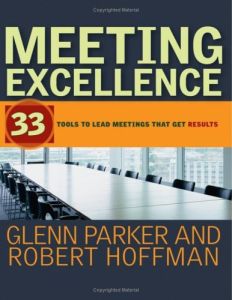
Meeting Excellence

33 Tools to Lead Meetings That Get Results

Jossey-Bass, 2006 more...

Buy the book


Editorial Rating

8

getAbstract Rating

  • Applicable

Recommendation

Anyone who ever spent 45 minutes in a meeting that digressed from budget concerns to what snacks to stock in the lunchroom will appreciate this book. Are meetings a necessary evil? Authors Glenn Parker and Robert Hoffman believe you can streamline your meeting procedures to eliminate wasted time and get results. During their research to help Novartis Pharmaceuticals improve the productivity of its meetings, they developed handy tools for improving meeting efficiency that you can apply to any type of session. Don’t try to enumerate the "33 tools" promised in the subhead: the number refers to the 33 chapters, and each one offers useful advice. This guidebook provides easy-to-follow lists, templates, samples and techniques. getAbstract recommends it as a practical reference for anyone who ever wasted an afternoon at a badly managed meeting. If you’re not the one running your next meeting, share your copy with that committee chair. Everyone will be grateful.

Summary

The Meeting Mess

A badly planned and executed meeting inhibits productivity, and frustrates both managers and employees. Many companies are reviewing their procedures to establish a positive and fruitful approach to meetings within their organizations.

Novartis Pharmaceuticals conducted extensive research into its procedures for preparing, facilitating, following up and evaluating meetings. Executives, mid-level managers, team leaders and facilitators in any type of business can apply the resulting tools for "meeting excellence."

Preparing for a Meeting

First decide if the meeting is necessary. Determine if there is a clear purpose for the meeting and if there is a better alternative. If the answers to these questions are no, don’t have the meeting. Your preparation for a meeting goes beyond setting an agenda, booking a conference room and ordering lunch. Once you decide the meeting is essential, carry out these steps:

  • Set goals and know what you want to achieve in the meeting. Follow the motto, "No purpose equals no meeting."
  • Re-examine the invitation roster and make sure those you want to attend are on it. Do not include...

About the Authors

Glenn Parker is author of Cross-Functional Teams and Team Players and Teamwork. He is a consultant and speaker who conducts training workshops. Robert Hoffman is the executive director of organizational development for Novartis Oncology.


Comment on this summary

More on this topic

Related Skills

Advance Your Career
Be Emotionally Intelligent
Become More Productive
Build and Maintain Well-Being
Career
Convert Prospects
Develop Team Members
Entrepreneurship
Executive Leadership
Foster a Culture of Innovation
Human Resources
Innovation
Lead Strategically
Lead Yourself
Leadership
Make Good Decisions
Manage Performance
Management
Optimize Workforce Performance
Personal Growth
Place Talent Strategically
Promote Diversity, Equity, and Inclusion
Sales
Search for a Job
Secure Funding
Shape Organizational Culture
Strengthen Your Digital Literacy
Workplace Skills
Set Team Goals
Strengthen Team Collaboration
Drive Team Performance
Foster Ownership in Others
Facilitate Discussions
Master Business Etiquette
Foster Collaboration
Manage Your Emotions
Practice Humility
Motivate Your Team
Build Confidence
Ensure Accountability in Teams
Persuade Effectively
Solve Problems
Drive Organizational Performance
Improve Team Performance
Set Boundaries
Set Performance Standards
Master Collaboration
Succeed in a New Job
Communicate Non-Verbally
Understand Microaggressions
Foster Team Culture
Manage Team Boundaries
Take Group Decisions
Facilitate Group Ideation
Lead Inclusively
Manage Teams and Departments
Enhance Team Agility
Master Interpersonal Skills
Collaborate Across Functions
Present Data
Communicate Inclusively
Excel at Conversations
Communicate with Stakeholders
Craft a Personal Elevator Pitch
Build Your Presence
Show Empathy and Compassion
Manage Change
Manage Team Communication
Collaborate Virtually
Evaluate Employees
Close Sales Successfully
Manage Employee Relations
Communicate Clearly
Increase Your Cultural Awareness
Build Psychological Safety
Understand Team Dynamics
Pitch Your Business Idea
Understand Communication
Onboard New Hires
Conduct Performance Reviews
Navigate Leadership Challenges
Manage People and Talent
Address Microaggressions
Soft Skills
Understand Cultural Differences
Communicate Effectively
Manage Your Time
Navigate Office Politics
Present to Prospects
Adapt Communication Style
Ask Questions
Have Effective Meetings
Master Public Speaking
Navigate Difficult Conversations
Resolve Conflicts
Deal with Difficult People
Present in Person
Communicate Across Cultures