Skip navigation
Overcoming the Five Dysfunctions of a Team
Book

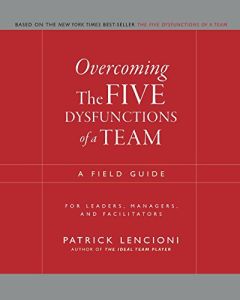
Overcoming the Five Dysfunctions of a Team

A Field Guide for Leaders, Managers, and Facilitators

Jossey-Bass, 2005 more...

Buy the book


Editorial Rating

8

getAbstract Rating

  • Comprehensive
  • Applicable
  • Well Structured

Recommendation

Patrick Lencioni wrote this as a follow-up to his 2002 “fable,” The Five Dysfunctions of a Team. It applies the earlier book’s concepts, and suggests many exercises, approaches, examples and explanations you can use as you apply those ideas. If you found the first book useful, you’ll want this one, though you can still get a lot of utility from it even if you haven’t read the original. Lencioni recaps his concepts clearly here, including developing trust among team members and keeping teams focused on their goals. The result is broadly applicable. getAbstract believes that readers who want a basic introduction to improving team function will appreciate this book. That said, those looking for more complex or theoretical approaches, or for tools to deal with specific challenges, such as knowledge management among teams, may need a more advanced manual.

Summary

Teams and Teamwork

Developing good, functional teams doesn’t require any special conceptual breakthroughs, but it does call for “courage and persistence.” Commit to making your team function smoothly, and then convince the other members that your dedication is real and they should share it. In the process of developing your team, make sure that you address several common misunderstandings and “five dysfunctions”: distrust, conflict, lack of commitment, lack of accountability and a failure to focus on results.

Start with the basics: Is your group a team? It doesn’t have to be. Many groups think they’re teams when they aren’t, and that misconception can frustrate people and waste time. A team must share goals and work toward them together. This requires some mutual performance evaluation. Team members must be willing to subordinate their personal needs to those of the team. True teams are “relatively small”; they might have as many as 12 people or as few as three. To build a strong and healthy team, address these five crucial issues:

1. “Building Trust”

Many people misuse the term “team” and disagree about the meaning of trust. Trust doesn’t mean being...

About the Author

Patrick Lencioni, founder and president of a management consulting firm, has worked with Fortune 500 senior executives and high-tech startup companies. He is the author of several other books, including The Five Dysfunctions of a Team and Death by Meeting.


Comment on this summary

More on this topic

Related Skills

AI Transformation
Be Creative
Become More Adaptable
Become More Productive
Build and Maintain Well-Being
Build Confidence
Communicate Effectively
Digital Transformation
Drive AI Transformation
Enhance Cybersecurity
Foster a Culture of Innovation
Human Resources
Innovation
Lead Ethically
Live Well
Make Good Decisions
Manage Change
Manage Employee Relations
Manage Learning and Development
Management
Personal Growth
Plan and Strategize Your Sales
Promote Diversity, Equity, and Inclusion
Sales
Shape Organizational Culture
Strengthen Your Digital Literacy
Workplace Skills
Overcome Challenges
Challenge Assumptions
Build an Inclusive Culture
Set and Achieve Goals
Build Security Culture
Drive AI Adoption in Teams
Show Empathy and Compassion
Collaborate Virtually
Overcome Self-Doubt
Manage Your Emotions
Communicate Transparently
Cultivate Positivity
Facilitate Discussions
Facilitate Group Ideation
Address Microaggressions
Collaborate Creatively
Practice Servant Leadership
Take Other Perspectives
Ensure Accountability in Teams
Navigate Leadership Challenges
Set Team Goals
Define Roles
Provide Feedback
Be Emotionally Intelligent
Delegate Effectively
Enhance Team Agility
Foster Open Communication
Foster Collaboration
Leadership
Take Group Decisions
Collaborate Across Functions
Lead through Change
Manage Team Communication
Be Authentic
Have Effective Meetings
Lead Yourself
Develop Team Members
Navigate Office Politics
Understand Motivation
Lead Remote or Hybrid Teams
Manage Teams and Departments
Create a Sense of Belonging
Lead Inclusively
Encourage Experimentation
Promote Failure-tolerance
Understand Yourself
Soft Skills
Foster Ownership in Others
Master Collaboration
Develop Self-Awareness
Cultivate a Growth Mindset
Support Others
Ask Questions
Manage Your Leadership Impact
Improve Team Performance
Motivate Your Team
Manage People and Talent
Practice Transformational Leadership
Understand Personality Types
Navigate Difficult Conversations
Take Personal Accountability
Build Psychological Safety
Resolve Conflicts
Practice Humility
Manage Sales Teams
Deal with Difficult People
Manage Team Boundaries
Master Interpersonal Skills
Understand Team Dynamics
Build Team Cohesion
Strengthen Team Collaboration
Foster Team Culture
Gain People's Trust
Drive Team Performance
Dare to be Vulnerable