Skip navigation
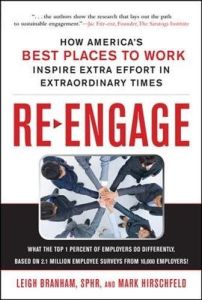
Re-Engage
Book

Re-Engage

How America's Best Places to Work Inspire Extra Effort in Extraordinary Times

McGraw-Hill, 2010 more...

Buy the book


Editorial Rating

7

getAbstract Rating

  • Applicable

Recommendation

“Best places to work” lists might seem like vestiges of another, more prosperous age. Do employers still have to worry about employee satisfaction in hard economic times? Yes, they do, say human resources experts Leigh Branham and Mark Hirschfeld. They argue that, since the economic meltdown of 2008, keeping your employees engaged is more important than ever. Using vivid real-world examples, employees’ comments and compelling data, Branham and Hirschfeld demonstrate how your company can join the list of elite employers. In fact, they may provide a bit too much information; their book features so many lists of possible tactics that readers may feel overwhelmed at times. Still, getAbstract is confident that the book provides solid information for senior managers and HR professionals. In short, Branham and Hirschfeld ably demonstrate how, when times get tough, the best keep going.

Summary

What Is Employee Engagement and Why Does It Matter?

Survey research firm Quantum Workplace in Omaha, Nebraska, uses data collected annually from 10,000 organizations in 45 US cities to select the “best places to work” in the US. Winners aren’t necessarily glamorous, headline-grabbing companies such as Google and Apple; they can be meat packers, nursing homes or moving companies. But no matter their line of business, they’ve each created an environment in which employees feel fortunate to work. Winners’ staffs experience “a heightened emotional and intellectual connection” to their jobs and an increased commitment to perform above and beyond their duties. Although experts have not yet determined a cause-and-effect relationship, they have observed a link between high levels of employee engagement and healthy profitability. The more engaged employees you have, the higher the probability that your customers are well-served and your products well-made.

Engagement in Tough Times

The economic downturn is not the only ill wind buffeting the workplace. Corporate cutbacks, a lack of skilled candidates, bewildering technological change and skyrocketing health care costs...

About the Authors

Leigh Branham founded and heads Keeping the People Inc., an HR consulting group. Mark Hirschfeld is a principal at SilverStone Group, a management consultancy.


Comment on this summary

More on this topic

Related Skills

AI Transformation
Be Emotionally Intelligent
Become a Self-Driven Learner
Career
Communicate Effectively
Future of Work
Foster a Culture of Innovation
Human Resources
Innovation
Lead Ethically
Lead Strategically
Manage Learning and Development
Manage Performance
Navigate Leadership Challenges
Plan and Strategize Your Sales
Promote Diversity, Equity, and Inclusion
Sales
Understand Innovation
Understand Organizations
Workplace Skills
Be Authentic
Improve Your Mental Health
Pursue Lifelong Learning
Find Meaning
Foster Team Culture
Place Talent Strategically
Soft Skills
Drive Organizational Performance
Handle Grievances
Mentor Employees
Build Confidence
Promote Customer Centricity
Shape Organizational Culture
Discover Societal Shifts
Drive Team Performance
Coach People
Dare to be Vulnerable
Lead through Change
Manage Teams and Departments
Master Interpersonal Skills
Lead Inclusively
Leverage AI for Management
Show Empathy and Compassion
Understand Organizational Change
Lead Yourself
Personal Growth
Manage Talent
Motivate Your Team
Understand Human Behavior
Live Well
Conduct Employee Surveys
Advance Your Career
Enhance Employee Experience
Gain People's Trust
Manage Sales Teams
Manage Change
Manage Up
Promote a Learning Culture
Executive Leadership Case Studies
Drive Employee Engagement
Understand Cultural Differences
Communicate Across Cultures
Understand Organizational Behavior
Delegate Effectively
Engage in Job Crafting
Understand Motivation
Support Employees’ Well-being
Support Team Members’ Careers
Manage Employee Relations
Age Well
Facilitate Group Ideation
Manage Your Leadership Impact
Promote Gender Inclusion
Manage People and Talent
Facilitate Discussions
Develop Team Members
Practice Humility
Foster Ownership in Others
Build and Maintain Well-Being
Understand Organizational Culture
Management
Understand Personality Types
Support Others
Increase Your Cultural Awareness
Leverage Employee Resource Groups
Reward Employee Contributions
Practice Transformational Leadership
Build an Inclusive Culture
Foster Collaboration
Lead Remote or Hybrid Teams
Build Psychological Safety
Leadership
Promote Ethnic Inclusion
Executive Leadership
Support Internal Mobility
Enhance Team Agility
Manage Team Boundaries
Improve Team Performance
Promote Generational Inclusion
Practice Servant Leadership
Master Collaboration
Retain Employees
Understand Team Dynamics
Create a Sense of Belonging
Strengthen Team Collaboration
Practice Gratitude
Build Team Cohesion