Join getAbstract to access the summary!

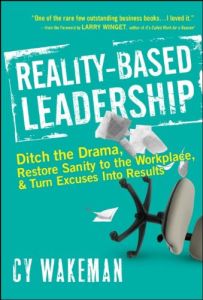
Reality-Based Leadership

Join getAbstract to access the summary!

Reality-Based Leadership

Ditch the Drama, Restore Sanity to the Workplace, & Turn Excuses Into Results

Jossey-Bass,

15 min read
10 take-aways
Text available

What's inside?

If the never-ending workplace soap opera drives you crazy, tune into reality instead.


Editorial Rating

7

getAbstract Rating

  • Applicable
  • Well Structured
  • Overview

Recommendation

Drama is emotionally expensive. Making up stories based on judgments about your circumstances is human nature, but those stories chew up time and energy and warp your decisions. Leadership consultant Cy Wakeman presents a simple but powerful process for clearing away blame, excuses and unenthusiastic performance. Much of Wakeman’s advice is common sense, in keeping with her “reality-based” outlook. She challenges commonly held beliefs about employee management, most notably the idea that the workplace is a democracy. getAbstract recommends her hard-nosed insights to leaders who are ready to conquer the drama.

Summary

Maybe It’s All in Your Head

Imagine yourself as an employee whose managers just promoted a co-worker who flattered the boss. You work harder, so you feel snubbed. In your mind, your workplace rewards political connections and ignores the people, like you, who contribute the most. But your conclusion is not “reality-based.” You live inside a story that you have created, and – like most other people – you act according to your beliefs, not the facts. Your emotional reactions to your workplace circumstances provide the raw material for your story about them.

“Nothing would get done around here if it weren’t for me,” “I’m underpaid for what I do” and “My co-workers don’t appreciate me” are all typical self-constructed narratives. But work’s not making you crazy, you are. Seeing things as they are is one thing and imbuing reality with meaning is another. When you judge other people’s motives and make assumptions about the causes and effects of their actions, you create an expensive productivity drain.

The most common stories that people make up star themselves in the role of victim. This “learned helplessness” limits their potential more than any external obstacle...

About the Author

Speaker, workshop trainer and consultant Cy Wakeman blogs for FastCompany.


Comment on this summary

More on this topic

Related Skills

Be Creative
Be Emotionally Intelligent
Build and Maintain Well-Being
Build Confidence
Communicate Effectively
Develop Team Members
Develop Your Thinking Skills
Foster a Culture of Innovation
Human Resources
Innovation
Lead Ethically
Lead Strategically
Live Well
Manage Risk
Manage Teams and Departments
Management
Master Collaboration
Personal Growth
Plan and Strategize Your Sales
Sales
Strengthen Team Collaboration
Understand Organizations
Workplace Skills
Cultivate a Growth Mindset
Manage People and Talent
Find Meaning
Cultivate Positivity
Improve Team Performance
Soft Skills
Improve Your Mental Health
Set Boundaries
Lead Inclusively
Lead Yourself
Facilitate Discussions
Manage Crises
Delegate Effectively
Foster Team Culture
Mitigate Cognitive Biases
Build Your Resilience
Navigate Office Politics
Communicate Transparently
Manage Up
Overcome Self-Doubt
Manage Sales Teams
Ensure Accountability in Teams
Manage Your Emotions
Deal with Difficult People
Lead through Change
Coach People
Dare to be Vulnerable
Manage Your Leadership Impact
Develop Grit
Manage Team Boundaries
Foster Ownership in Others
Lead Through Crises
Navigate Leadership Challenges
Practice Humility
Challenge Assumptions
Manage Change
Develop Self-Awareness
Drive Team Performance
Mentor Employees
Master Interpersonal Skills
Embrace Change
Executive Leadership
Cultivate Flexibility
Understand Yourself
Embrace Challenges
Be Authentic
Build Psychological Safety
Become More Adaptable
Understand Leadership Approaches
Overcome Challenges
Navigate Uncertainty
Practice Transformational Leadership
Leadership
Practice Servant Leadership