Skip navigation
Strategic Human Resources Management
Book

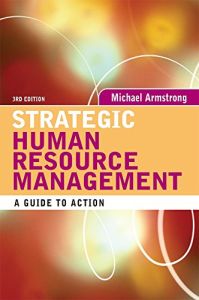
Strategic Human Resources Management

A Guide to Action

Kogan Page, 2006
First Edition: 1992 more...

Buy the book


Editorial Rating

6

getAbstract Rating

  • Applicable
  • Overview

Recommendation

This short book is an all-encompassing, comprehensive compendium of definitions of human resource (HR) management strategies and explanations about aligning such strategies with corporate goals. It provides a clear overview of the subject, but then, the topic is vast. Michael Armstrong – a frequent author on human resource subjects – emphasizes comprehensiveness over specificity or evaluation. At times, in an effort to make everything clear and understandable, he is perhaps too much like an instructor and a bit talky, but that may be the nature of a work intended for reference and training. getAbstract recommends this book to human resource professionals looking for a straightforward guide to strategic management.

Summary

Human Resource Management

Human resource management (HRM) addresses an organization’s most valuable assets: its people. Two of the most important HRM models are:

  • Michigan School – Emphasizes matching HR systems to organizational strategy.
  • Harvard Framework – Says HRM “policies and practices” must stem from a general manager's “strategic vision.”

HRM aims to ensure that an organization’s people help it succeed. This strategy has several distinguishing characteristics; it is diversified, management-driven, values-focused, commitment-oriented and, as much as possible, tailored to the individual employee. It is also controversial. Some academics say that its promises are exaggerated, while others impugn its morality.

Formulating Good Strategy

Corporate strategy focuses on identifying goals and achieving them by putting the necessary resources in place. Strategic HRM supports this focus by placing the right people in the right positions, and motivating them to meet the company’s objectives. Professionals take five distinct approaches to this:

  1. Resource-based – Invest in people to develop employees...

About the Author

Michael Armstrong is a Fellow of, and Chief Examiner (Employee Reward) for the Chartered Institute of Personnel and Development, London. He has written several books on human resource management.



Comment on this summary

More on this topic

Related Skills

AI Transformation
Become a Self-Driven Learner
Career
Communicate Effectively
Develop Your Thinking Skills
Digital Transformation
Drive AI Transformation
Execute Digital Operations
Foster a Culture of Innovation
Lead Operational Planning
Leadership
Manage Remuneration
Marketing
Master Collaboration
Master Interpersonal Skills
Navigate Leadership Challenges
Optimize Workforce Performance
Soft Skills
Understand Innovation
Workplace Skills
Leverage AI for Business Strategy
Manage Teams and Departments
Personal Growth
Attract and Recruit Talent
Collaborate Across Functions
Innovation
Lead Strategically
Executive Leadership
Master Marketing Strategy
Design Incentive Structures
Enable Digital Organization
Pursue Lifelong Learning
Understand Organizational Learning
Think Strategically
Foster Collaboration
Lead through Change
Management
Implement Agility
Implement Coaching Programs
Plan Strategically
Advance Your Career
Use AI for Workforce Planning
Navigate Workplace Culture
Drive Employee Engagement
Promote Diversity, Equity, and Inclusion
Retain Employees
Leverage AI for HR
Communicate Corporate Strategy
Strengthen Team Collaboration
Support Internal Mobility
Set AI Vision & Strategy
Build Digital Culture
Leverage HR Technology
Shape Organizational Culture
Enhance Employee Experience
Conduct Performance Reviews
Manage Talent
Drive Organizational Performance
Increase Your Cultural Awareness
Understand Organizational Culture
Reward Employee Contributions
Understand Organizational Change
Communicate Strategically
Adopt a Learning Habit
Develop Team Members
Manage People and Talent
Translate Strategy into Action
Understand Learning
Manage Performance
Place Talent Strategically
Leverage Employee Resource Groups
Restructure Your Organization
Manage Change
Manage Learning and Development
Human Resources
Manage Employee Relations
Promote a Learning Culture
Create a Hiring Strategy
Manage Organizational Knowledge
Understand Organizations
Develop the Organization