Skip navigation
The Horizontal Organization
Book

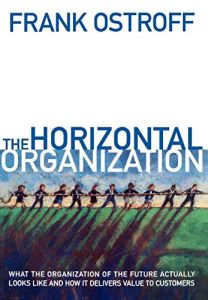
The Horizontal Organization

What the Organization of the Future Actually Looks Like and How It Delivers Value to Customers

Oxford UP, 1999 more...

Buy the book


Editorial Rating

5

getAbstract Rating

  • Comprehensive
  • Analytical
  • Scientific

Recommendation

The horizontal organization is a more appropriate model for the knowledge age, according to author Frank Ostroff, who says companies increasingly find this structure more effective. He emphasizes the need to start with an understanding of your organization’s core competencies and to develop a horizontal structure from there. Ostroff claims this is the first model of this approach, but it is not. In fact, his fairly academic book advances a trend that is already well documented. Horizontal organizations have been covered in numerous other books, which, like this one, promote more decentralized, downsized, team-oriented organizations with empowered workers. Despite a leaden, pedantic writing style, Ostroff distinguishes his theoretical discussion with several detailed examples of how the horizontal organization works and how you can apply it to your company. getAbstract recommends this book primarily to academics, who may enjoy its theoretical nature.

Summary

The Need for a Horizontal Organization

The vertical hierarchy has been the gold standard for the organization of businesses since the Industrial Revolution, but its day is done.

Vertical hierarchies were developed to promote efficient production of goods. In the typical organization, a CEO sits at the top of the pyramid and several vice-presidents in the next layer run separate key tasks such as research and development, finance, manufacturing, marketing, and customer service. The hierarchical structure wherein employees work under top managers contributes to a variety of inefficiencies. Separate departments perform different functions. People waste time shuffling tasks to other divisions. Important information gets lost as knowledge travels up multiple levels. Jobs and performance objectives fragment as different units of the same company pursue different goals. Lower level employees gaze at this self-defeating system, and feel drained of creativity and initiative, while those at the upper levels engage in Byzantine corporate politics as employees and department heads alike work on internal goals rather than focusing on serving customers. It’s a bleak picture.

<...

About the Author

Frank Ostroff, the key developer of the concept of the horizontal organization, is a management consultant who has worked with major companies to institute this organizational approach during the past eight years. His work has been featured in many leading business publications, including Fortune, BusinessWeek, and Financial Times.


Comment on this summary

More on this topic

Related Skills

AI Transformation
Attract and Recruit Talent
Become More Adaptable
Become More Productive
Communicate Effectively
Develop a Business Plan
Entrepreneurship
Execute Digital Operations
Innovation
Lead Operational Planning
Lead Strategically
Leadership
Manage Corporate Communications
Manage Product Innovation
Manage Teams and Departments
Marketing
Personal Growth
Plan and Strategize Your Sales
Sales
Soft Skills
Understand Innovation
Workplace Skills
Drive Organizational Performance
Build Team Cohesion
Manage Change
Master Marketing Strategy
Streamline Your Workflow
Understand Organizations
Define Purpose, Vision, and Mission
Human Resources
Management
Plan Strategically
Define Product Strategy
Foster a Culture of Innovation
Production and Logistics
Embrace Change
Define Core Values
Organize Innovation
Collaborate Across Functions
Foster Team Culture
Create a Hiring Strategy
Develop the Organization
Plan AI Workforce Transformation
Drive Product Development
Build a Shared Vision
Manage People and Talent
Place Talent Strategically
Manage Team Boundaries
Set Team Goals
Define Roles
Shape Organizational Culture
Implement Agility
Executive Leadership
Foster Collaboration
Manage Sales Teams
Innovate Business Models
Innovate Strategically
Communicate Corporate Purpose
Leverage Ambidexterity
Drive AI Transformation
Develop Innovative Products
Restructure Your Organization
Understand Organizational Change
Organize for AI
Strengthen Team Collaboration
Communicate Strategically
Communicate Corporate Strategy
Master Collaboration
Digital Transformation
Translate Strategy into Action
Drive Team Performance
Strategize Digital Transformation