
Rejoignez getAbstract pour lire le résumé !
Rejoignez getAbstract pour lire le résumé !
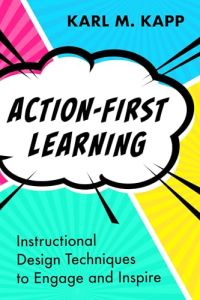
Karl M. Kapp
Action-First Learning
Instructional Design Techniques to Engage and Inspire
ATD (Association for Talent Development), 2025
Aperçu
Action-first learning engages participants and helps them apply knowledge and skills immediately.


Disponibilité du résumé : mondiale
Recommendation
Instructional design professor Karl M. Kapp advocates action-first learning that immediately engages learners in applying new skills and knowledge. In keeping with the action-first theme, each of the book’s sections — focused on live interaction, card and board games, escape rooms, comics, “branching scenarios,” AI coaches, and immersive technology — provides practical steps and sample AI prompts to help designers start creating experiences right away. Extensive tips for accessibility ensure options for learners of all backgrounds and abilities.
Summary
About the Author
Professor of instructional design and technology Karl M. Kapp is a prolific author, speaker, and course developer who advocates the gamification of learning.
By the same author
Learners who read this summary also read
Related Skills








Comment on this summary