
加入 getAbstract 阅读摘要
加入 getAbstract 阅读摘要
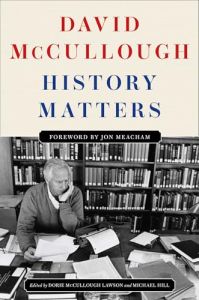
David McCullough
History Matters
Simon & Schuster, 2025
看看什么内容?
Historian David McCullough’s stories of the past keep life meaningful and democracy alive.


摘要提供范围:全球
Recommendation
In this collection of essays and speeches, historian David McCullough reflects on the importance of history, arguing that a democratic society cannot sustain itself without appreciating and understanding its past. McCullough conveys history as a narrative about people, their choices, and the resulting consequences. He shows how stories rich in human detail and moral complexity can convey truths about the past.
Summary
About the Author
David McCullough won the Pulitzer Prize twice, for Truman and John Adams, and received two National Book Awards.

Comment on this summary