Skip navigation
Good People, Bad Managers
Book

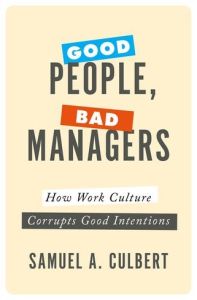
Good People, Bad Managers

How Work Culture Corrupts Good Intentions

Oxford UP, 2017 more...

Buy the book


Editorial Rating

8

getAbstract Rating

  • Analytical
  • Applicable
  • Eye Opening

Recommendation

Samuel A. Culbert, a UCLA management professor and frequent author, examines the systemic nature of management problems and their roots in cultural habits. Reading the first two parts of his manual may make you cringe at your own behavior – or at your boss’s – but these difficult sections provide a meaningful set up and context for Culbert’s recommendations for positive change. The not-so-subtle title calls for initiating a meaningful, productive conversation with your boss when you’re ready to implement the changes Culbert suggests. getAbstract recommends Culbert’s intelligent, workable method to HR managers seeking to improve corporate morale, culture and internal communications; to self-aware leaders and to young professionals intent on moving up the managerial chain.

Summary

“Bad Management Is the Norm”

Employees are at their best when they can report to supportive managers, work effectively, receive recognition and see that they’re making progress toward worthwhile goals. Work doesn’t need to drain your spirit, but bad management is pervasive and that is its impact.

Generally, bad managers are people with good intentions who aren’t aware of the forces spurring their behavior and the negative impact of their actions. Most managers are fair, try to handle problems intelligently and consider their employees’ concerns as they pursue their personal goals. But at pivotal times, such as when managers are trying to win support for a project, they can give in to being “self-beneficial.”

Managers also tend to advance toward “skilled incompetence,” becoming so expert at sweeping people up into a company’s imbedded culture, even if its negative, that they themselves have little motivation to change their behavior and would risk too much if they did.

Academic Management Skills

Degrees from elite business schools don’t guarantee great management skills. Such schools don’t sufficiently teach “active...

About the Author

Samuel A. Culbert teaches at the Anderson School of Management at the University of California, Los Angeles, and frequently writes for management journals. He has written or co-authored seven other books about management, including Get Rid of the Performance Review, The Organization Trap and Don’t Kill the Bosses!



Comment on this summary

More on this topic

Related Skills

Advance Your Career
AI Transformation
Be Creative
Become More Adaptable
Career
Develop the Organization
Digital Transformation
Enable Digital Organization
Enhance Cybersecurity
Execute Digital Operations
Human Resources
Increase Your Cultural Awareness
Innovate Strategically
Lead Ethically
Lead Strategically
Live Well
Manage Learning and Development
Manage Performance
Manage Teams and Departments
Master Collaboration
Optimize Workforce Performance
Place Talent Strategically
Understand Innovation
Understand Organizations
Workplace Skills
Executive Leadership
Lead through Change
Leadership
Master Interpersonal Skills
Understand Microaggressions
Cultivate Self-Discipline
Deal with Difficult People
Facilitate Group Ideation
Foster Ownership in Others
Pursue Excellence
Cultivate a Growth Mindset
Understand Organizational Change
Drive Organizational Performance
Manage Change
Build Psychological Safety
Be Authentic
Embrace Change
Manage Employee Relations
Understand Organizational Culture
Mitigate Cognitive Biases
Personal Growth
Take Personal Accountability
Drive Continuous Improvement
Lead Yourself
Practice Servant Leadership
Develop Your Thinking Skills
Find Meaning
Promote Failure-tolerance
Advance as a Woman Leader
Communicate Transparently
Develop Self-Mastery
Dare to be Vulnerable
Develop Self-Awareness
Drive Team Performance
Cultivate Positivity
Improve Your Mental Health
Innovation
Build Useful Habits
Enhance Employee Experience
Coach People
Encourage Experimentation
Foster Team Culture
Have Effective Meetings
Manage Up
Promote a Learning Culture
Work Remotely
Management
Challenge Assumptions
Shape Organizational Culture
Soft Skills
Build and Maintain Well-Being
Manage Your Personal Reputation
Support Internal Mobility
Manage People and Talent
Foster Collaboration
Understand Unconscious Bias
Build Digital Culture
Foster a Culture of Innovation
Practice Mindfulness
Promote Ethnic Inclusion
Promote Generational Inclusion
Leverage Ambidexterity
Practice Humility
Support Employees’ Well-being
Understand Leadership Approaches
Conduct Performance Reviews
Leverage AI for Management
Leverage Employee Resource Groups
Navigate Leadership Challenges
Delegate Effectively
Set Boundaries
Improve Team Performance
Mentor Employees
Facilitate Discussions
Be Emotionally Intelligent
Build Security Culture
Understand Yourself
Communicate Effectively
Develop Team Members
Excel at Conversations
Drive Change Without Authority
Provide Feedback
Build Team Cohesion
Develop Leaders
Strengthen Team Collaboration
Support Team Members’ Careers
Understand Motivation
Manage Your Leadership Impact
Motivate Your Team
Navigate Office Politics
Drive Employee Engagement
Build an Inclusive Culture
Create a Sense of Belonging
Build Confidence
Lead Inclusively
Practice Transformational Leadership
Foster Open Communication