
انضم إلى getAbstract للوصول إلى الملخص!
انضم إلى getAbstract للوصول إلى الملخص!
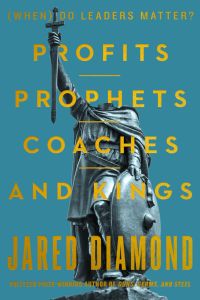
Jared Diamond
Profits, Prophets, Coaches, and Kings
(When) Do Leaders Matter?
Mariner Books, 2026
ماذا يوجد بالداخل؟
How much impact do leaders actually have on results?


Summary availability: Canada, United States
Recommendation
What determines how much a leader really affects results? Is it personal ability? Historical circumstances? Luck? In this engaging read, Pulitzer Prize-winning author Jared Diamond (Guns, Germs, and Steel) investigates the factors that shaped just how much famous leaders actually influenced the course of nations, businesses, religions, and even athletic teams. Armed with anecdotes, short biographies, and evidence from science, sociology, and anthropology, Diamond details the triumphs and tragedies of an eclectic assortment of time-spanning historic figures, including ancient conqueror Genghis Khan; the first president of Botswana, Seretse Khama; Mormonism’s founder Joseph Smith; and UCLA basketball coach John Wooden. The author explores if — and how — they made the most of their leadership opportunities.
Summary
About the Author
MacArthur Fellow Jared Diamond, a professor of geography at the University of California, Los Angeles, also wrote the bestsellers Upheaval, The World Until Yesterday, Collapse, The Third Chimpanzee, and the Pulitzer Prize-winning Guns, Germs, and Steel.

Comment on this summary