Skip navigation
Fearless Performance Reviews
Book

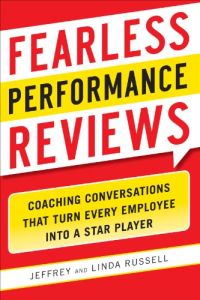
Fearless Performance Reviews

Coaching Conversations that Turn Every Employee into a Star Player

McGraw-Hill, 2013 more...

Buy the book


Editorial Rating

7

getAbstract Rating

  • Applicable

Recommendation

Performance reviews shape employees’ pay and promotions and affect their sense of self-worth. Managers detest performance reviews and have as much on the line as their staffers due to their overall responsibility for performance. The way most companies structure performance reviews brings out the worst in everybody. The more managers turn into posturing “my-way-or-the-highway” dictators, the more employees become surly, defensive obstructionists who feel threatened by evaluations they reject. Fortunately, you can take a better path to performance reviews by facilitating “performance-coaching conversations,” instead. Organizational experts Jeffrey and Linda Russell explain how to conduct performance reviews that actually improve performance. Their “fearless performance review” construct is a solid contribution to this process, even if some steps still sound a little scary. getAbstract recommends this productive path to those charged with review policy, HR professionals, and all supervisors and managers.

Summary

Reviewing Performance Reviews

Everyone hates performance reviews – the employees who face them and the managers who administer them. The biggest problem is performance reviews’ confrontational structure and judgmental style. Often, these reviews generate stressful conversations that make everyone uncomfortable; they stifle honest and open communication between supervisors and employees.

Because of performance reviews’ negative, pain-inducing structure, managers often delay them as long as possible. And staffers under review often quickly become defensive. They worry about their managers’ judgments and how the review’s findings will affect their status and remuneration.

Performance reviews are a fairly new phenomenon. They became popular during World War II as a result of the pioneering work of Fredrick Taylor, the father of “scientific management.” Taylor believed that employees could not be trusted to take charge of their own work. He told companies that managers should control the planning of all employees’ work activities. Most companies subsequently organized their workflow in adherence with Taylor’s principles. They instituted performance reviews in the...

About the Authors

Jeffrey and Linda Russell are principals of Russell Consulting Inc. and the authors of nine other books, including Leading Change Training and Strategic Planning Training.



Comment on this summary

More on this topic

Related Skills

Be Creative
Be Emotionally Intelligent
Become More Adaptable
Become More Productive
Communicate Effectively
Develop a Business Plan
Develop Team Members
Entrepreneurship
Executive Leadership
Foster a Culture of Innovation
Human Resources
Innovation
Lead Ethically
Lead Strategically
Live Well
Make Good Decisions
Manage Change
Manage Learning and Development
Manage Teams and Departments
Management
Optimize Workforce Performance
Place Talent Strategically
Promote Diversity, Equity, and Inclusion
Shape Organizational Culture
Strengthen Your Digital Literacy
Workplace Skills
Implement Coaching Programs
Enhance Employee Experience
Evaluate Employees
Challenge Assumptions
Improve Team Performance
Collaborate Virtually
Lead through Change
Create a Sense of Belonging
Excel at Conversations
Navigate Leadership Challenges
Manage Your Leadership Impact
Personal Growth
Deal with Difficult People
Master Collaboration
Cultivate Positivity
Drive Team Performance
Lead Inclusively
Communicate Strategically
Navigate Difficult Conversations
Ask Questions
Motivate Your Team
Embrace Divergent Thinking
Set and Achieve Goals
Encourage Experimentation
Collaborate Creatively
Take Group Decisions
Drive Organizational Performance
Leadership
Collaborate Across Functions
Show Empathy and Compassion
Promote Failure-tolerance
Lead Yourself
Facilitate Group Ideation
Be Authentic
Foster Team Culture
Set Business Goals
Facilitate Discussions
Navigate Office Politics
Understand Yourself
Be Coachable
Foster Open Communication
Practice Transformational Leadership
Support Others
Manage People and Talent
Provide Feedback
Set Performance Standards
Set Team Goals
Soft Skills
Communicate Transparently
Develop Self-Awareness
Manage Performance
Master Interpersonal Skills
Take Other Perspectives
Foster Collaboration
Practice Servant Leadership
Strengthen Team Collaboration
Conduct Performance Reviews
Build Psychological Safety
Cultivate a Growth Mindset
Practice Humility
Dare to be Vulnerable